





The leg massage today is one of the most widely practiced practices, owing to the fact that it is pleasant and also has health implications. Many people resort to leg massage methods in order to relieve fatigue, ease muscle tension and promote blood circulation. Still, as people relish the merits of the massage technique, they are also likely to wonder if leg massage makes one develop blood clots. This article will establish the linkage of leg massages and the formation of blood clots to assist the readers in comprehending this subject better.
Basic Knowledge of Blood Clots
Usually blood clots present within a blood vessel are known as thrombus- a freshwater cross-section that is avascular and fibro-elastic inside. The th often includes such classification according to the site where the defined thrombus is situated ie Arterial and Venous For example Deep Vein Thrombus (DVT) is commonly found for this type of deep veins of the lower extremities. A clot that is spontaneously formed inside a blood vessel, known as thrombus, may develop because of various aspects such as loss of integrity of the venous endothelium, very low flow rate of blood, and increased level of clotting factors.
Causes and Risk Factors for Blood Clot Formation
- Poor Venous Circulation: Staying seated for long or remaining unactive leads to stagnant blood in the lower body which poses a risk for blood clot occurrence.
- Injury: After any sort of injury or surgery, generally blood vessel injury and or wall damage is a potent trigger for formation of clot.
- Certain Health Conditions: Maladies like heart disease, obesity, diabetes, and blood clotting disorders may increase the chances of forming clots.
The Mechanism of Leg Massage
Leg massage aids in the flow of blood as well as lymphatic drainage through pressure and friction applied on the body, making it easier to relieve tired muscles. Here are some basic rules of leg massage:
- Promotes Blood Circulation: The temperature elevated by the client, causes passive vasodilatation thus internal blood vessels are engaged which promotes active blood circulation towards the legs and the feet and enhancement of microcirculation.
- Relaxes Muscles: When muscle soreness is minimal, muscles will be used more efficiently since there is less risk of discomfort and more range of movement in the legs.
- Encourages Lymphatic Flow: Similarly, leg massaging can remove waste and toxins from the body thus increasing immune response.
Certainly, this type of massage has different forms, which may cause different effects, for example:
- Manual Massage: Manual massage performed by the masseuse, appropriate for deep tissue manipulations.
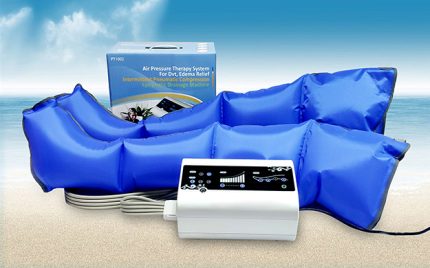
- Mechanical Massage:Massage by the machine includes compression boots or vibrating massagers etc.

The Relationship Between Leg Massage and Blood Clot Formation
There is reasonable evidence that supports the views on whether leg massaging can cause blood clot formation. There is evidence indicating that measures such as correctly leg massage assist in blood flows but do not raise the risks of developing clots. Some studies show that particular leg massaging may be useful for people who are more susceptible to forming blood clots.
- Promotes Blood Flow: Massage brings about increase in blood flow velocity which reduces the amount of blood that remains stagnant in the veins.
- Prevents Clot Formation: Massage helps facilitate muscle contraction and relaxation, which is common during exercise, aiding in maintaining open blood vessels.
However, for individuals with specific health issues, the safety and efficacy of massage should still be assessed cautiously.
Safe Massage Practices
To ensure the safety of leg massage, here are some recommendations:
- Consult a Healthcare Professional: Before starting any new massage therapy, especially if you have health issues, it is advisable to consult a doctor or professional massage therapist.
- Choose the Right Massage Technique: For individuals at potential risk, opting for gentler massage techniques, such as light surface massage rather than deep tissue massage, is recommended.
- Be Mindful of Massage Duration and Intensity: Avoid prolonged sessions and control the intensity to ensure comfort.
- Maintain a Suitable Environment: Conducting the massage in a comfortable and quiet setting can enhance relaxation and improve the massage’s effectiveness.
Conclusion
In summary, leg massage, as a popular method of relaxation and recovery, typically does not lead to blood clot formation; rather, it helps improve blood circulation and relieve muscle fatigue. Nonetheless, for certain high-risk populations, vigilance is necessary. By adhering to safe practices and choosing the appropriate massage methods, you can enjoy the benefits of massage while minimizing potential risks. Maintaining good health management while enjoying leg massage is crucial.