
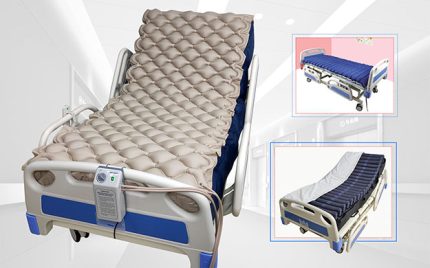
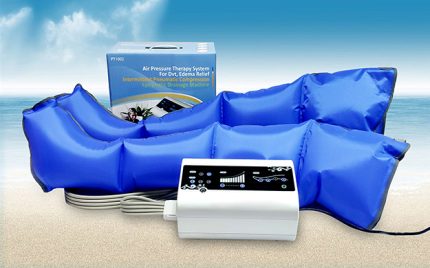

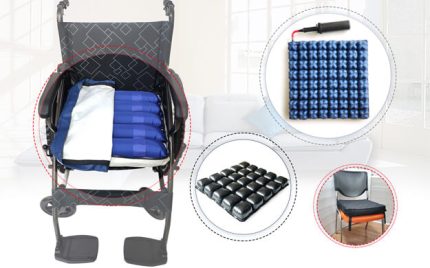







Pressure care incorporates assessment, equipment, daily care, observation, cleaning, and documentation; each of these steps should align with the next. Risk assessments should inform the care plan. The care plan informs the choice of mattress and the way repositioning will be carried out. Daily observations indicate the plan’s effectiveness. Records and observations of the resident should trigger a reassessment.
1. Define the Pressure Care Workflow Before Choosing Equipment
The fragmentation of pressure care occurs when mattress selection falls to one team, repositioning record completion to another, and documentation to another. A routine that encompasses the entire facility should show how these steps fit throughout the admissions process, day-to-day care, shift handover, equipment servicing, and a change in the resident’s condition.
Reach consensus on terminology, the approved risk tool, assessment of skin, support surfaces available, the route to be taken if the support surface does not meet the resident’s needs, and the record system to be used. The routine should support the normal cycle of care so staff does not need to complete duplicate or overlapping forms.
The Seven-Stage Pressure Care Loop
- Assess pressure risk and current skin condition.
- Translate findings into an individualized care plan.
- Select, install, and verify the support surface.
- Carry out repositioning and daily care tasks.
- Observe skin, comfort, moisture, and equipment response.
- Clean, inspect, and return equipment to service.
- Document results and reassess when a trigger occurs.
2. Stage One: Complete and Document Risk Assessment
Risk assessment should identify the factors that influence pressure exposure and the resident’s ability to respond. A validated assessment tool can support clinical judgement, but the score should not replace a full review of the person.
Assessment Factors
- Mobility and ability to change position independently.
- Sensation, cognition, communication, and pain.
- Time spent in bed and in a chair.
- Previous or current pressure damage and vulnerable skin areas.
- Moisture from incontinence, perspiration, drainage, or fever.
- Nutrition, hydration, appetite, and recent weight change.
- Body weight, shape, edema, contractures, and transfer needs.
- Medical devices, tubing, splints, footwear, and other contact points.
Complete the assessment and provide an overall impression of risk and the contributing factors. Residents with the same score may require totally different interventions. One may have severe restriction on mobility while the other may have wetness, moisture, or nutrition.
Assess every month or at the same time as the other trigger. Examples of triggers are transfer to another unit, decrease in mobility, surgery, unplanned fall, change in weight, incontinence, loss of appetite, change in cognition or mental status, new medical equipment, skin breakdown, change in skin, or inability to complete the current plan.
3. Stage Two: Convert Risk Findings into a Care Plan
An action-focused care plan is necessary for each identified risk. This should detail the staff action, how frequently the task is to be reviewed, equipment needed, which staff member is responsible, what records have to be kept, and how to indicate when there is a need to act.
| Workflow Stage | Required Action | Record | Review Trigger |
|---|---|---|---|
| Risk assessment | Identify mobility, skin, moisture, nutrition, and device-related factors | Risk tool plus clinical notes | Admission and meaningful change in condition |
| Auflagefläche | Select and verify mattress, cover, pump, bed, and settings | Equipment and setup record | New mattress, weight change, alarm, discomfort, or skin change |
| Neupositionierung | Define positions, assistance, equipment, and individual schedule | Position and tolerance chart | Missed turns, pain, poor tolerance, or skin deterioration |
| Skin observation | Inspect identified sites and integrate checks into routine care | Skin map or structured note | New discoloration, heat, swelling, pain, blister, or broken skin |
| Moisture and bedding | Keep skin clean and dry and minimize unnecessary layers | Continence and linen notes | Repeated moisture, cover contamination, or damaged bedding |
| Cleaning and maintenance | Clean, dry, inspect, service, and isolate damaged equipment | Cleaning and maintenance log | Damage, contamination, repeated alarm, or service interval |
| Handover and review | Communicate current risk, surface, settings, positions, and concerns | Shift handover and care-plan update | Any change that affects the next shift’s actions |
The care plan should remain concise enough to use during a busy shift. Technical manuals, infection-control procedures, and clinical protocols can sit behind it, while the resident-facing plan contains only the details staff need to act correctly.
4. Stage Three: Select and Set Up the Mattress System
After an assessment, a support surface is selected. A high-specification foam surface may be appropriate for some residents. The clinical team may consider a dynamic or specialist surface for those with limited movement, increasing risk, or significant skin concerns. Lots of factors come into play, including weight, body shape, bed size, method of transfer, discomfort, cover design, and ease of maintenance.
A Komplettes Wechseldruck-Matratzensystem should be treated as a matched set. Confirm the mattress model, pump model, cell configuration, approved weight range, pressure guidance, cycle operation, alarm functions, and bed-frame compatibility before use.
Mattress Setup Verification
- The surface matches the resident’s current plan and body dimensions.
- The mattress is installed in the correct orientation and secured to the bed.
- The cover is intact, correctly closed, and free from excessive tension or folds.
- Air hoses are connected, unkinked, and clear of moving bed parts.
- The pump is powered, operating, and set according to the approved guidance.
- Static, alternating, alarm, and lock functions are understood by the shift team.
- A bottoming-out or support check is completed according to the product instructions.
- The backup procedure is accessible if the system loses power or pressure.
Record the exact system and accepted setting, not simply air mattress. This makes shift checks, troubleshooting, replacement, and audit more reliable.
5. Stage Four: Make Repositioning Part of Normal Care
A plan must provide the location to be repositioned to, as well as the timing, required assistance, handling equipment, the safety of the repositioning, and tolerated positions. The schedule must take into consideration the resident’s risk, the support surface, the skin, comfort, sleep, and mobility. It must also take into account the clinical direction.
Changes planned in the sequence of positioning should be coordinated with the timing of care for hygiene, continence support and dressing, meals, medication, and the evaluation of the resident’s overall comfort. It will also provide the opportunity for the bedding to be checked for the resident’s skin.
A Consistent Repositioning Sequence
- Review the current plan and explain the movement to the resident.
- Prepare slide sheets, pillows, wedges, and personal care supplies.
- Manage tubes, dressings, clothing, and bed controls before movement.
- Use the approved handling method and assigned caregiver roles.
- Position the resident with supported alignment and offloading where planned.
- Smooth bedding and remove folds, crumbs, objects, and trapped tubing.
- Check comfort, skin contact, heels, and medical-device pressure points.
- Record the new position, time, tolerance, observation, and follow-up action.
When a planned position is missed or not tolerated, the record should show why and what alternative action was taken. Repeated difficulties are a reason to review the routine, not simply leave blank spaces in the chart.
6. Stage Five: Integrate Skin Observation into Every Shift
A comprehensive skin assessment is a trained clinical task, while routine observation is shared across the care team. Staff assisting with turning, bathing, dressing, toileting, transfers, and device placement are well positioned to notice change and report it promptly.
Observe color or discoloration, temperature, firmness, swelling, moisture, texture, blistering, broken skin, and pain. On darker skin, change may appear purple, blue, darker, warmer, swollen, shiny, or different in texture rather than bright red.
High-Attention Areas
- Heels, ankles, hips, sacral and coccyx areas.
- Elbows, shoulders, ears, and the back of the head.
- Skin folds and areas exposed to moisture.
- Sites beneath masks, tubing, splints, braces, catheters, and other devices.
- Any site with previous pressure damage, reduced sensation, pain, or recent discoloration.
The escalation route must include to whom the report is addressed, the timeframe for which the review shall be completed, and what staff should do in the interim to provide pressure relief in accordance with their role. It is more helpful to provide clear direction than to prompt staff to determine the cause for each and every skin change.
7. Stage Six: Control Moisture and Bedding Layers
Excess moisture and bedding can counteract a good choice in support surface. Moisture retainment and localization can occur with continence products, absorbent pads, folded sheets, seams of clothing, and fine bedding.
Follow the care plan and remove any unnecessary layers. Maintain dryness of bed sheets. Change all damp items as soon as possible and remove all covers for the mattress during linen changes to ensure there are no retained materials. Check that the surface is not compromised by the use of protective garments.
A medical air mattress with a removable stretch cover can help mitigate routine cleanings while the cover is installed correctly. Check the mattress for fluid entry at the top, seams, zipper, and flap, as well as the underside and internal surface. A damaged or contaminated mattress should be removed according to your facility’s policy.
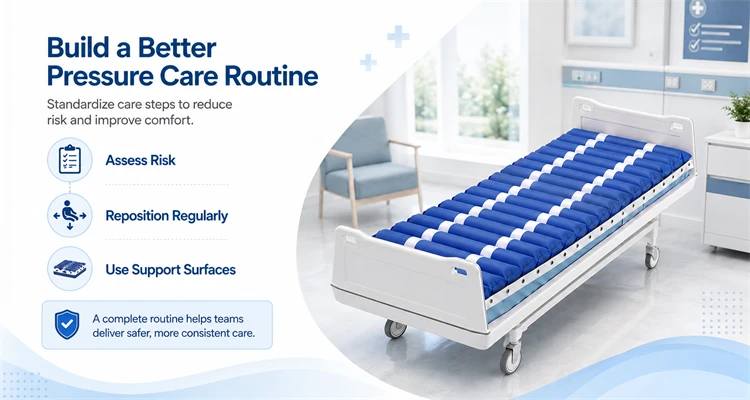
8. Stage Seven: Clean and Inspect Pressure Care Equipment
Cleaning is part of equipment readiness, not a separate housekeeping detail. The facility should define who cleans the mattress and pump, which products and contact times are approved, how drying is confirmed, and when equipment can return to service.
Post-Use and Routine Equipment Checks
- Clean the cover, pump exterior, hoses, controls, and contact points as instructed.
- Inspect cover coating, seams, zipper protection, straps, cells, connectors, and CPR components.
- Check the pump power lead, filter, housing, alarm indicators, and airflow connections.
- Allow cleaned components to dry fully before storage or reuse.
- Label and isolate damaged, contaminated, incomplete, or malfunctioning equipment.
- Keep replacement covers, hoses, cells, filters, and a backup surface available where required.
Use separate logs for resident care and equipment maintenance. Log resident care to indicate care plan completion and if the resident responded accordingly. Log equipment to indicate cleaning, problems, repairs or replacements, replacement of parts, and if the equipment is ready for use.
9. Build a Record System That Supports Handover
Documentation should clearly state next steps. Level of risk, support surface, pump setting, plan for repositioning and the last repositioned location, skin, moisture events, equipment failures and what corrective action was taken should all be documented at the time of transfer.
Duplicate information should be avoided. Assign a primary source to each data type and relate the records. For example, a care plan may contain the approved routine; the turning chart may contain completion and tolerance; the skin record may contain observations; and the equipment log may contain the history of equipment maintenance.
Minimum Handover Information
- Current pressure risk and the factors driving it.
- Mattress type, pump setting, operating mode, and any alarm or fault.
- Approved repositioning schedule and the resident’s last position.
- New or changing skin observations and actions taken.
- Moisture, continence, nutrition, hydration, pain, or comfort concerns.
- Equipment awaiting cleaning, repair, replacement, or clinical review.
10. Audit the Routine, Not Just Individual Tasks
A full audit should include whether the information that is required to flow through the entire routine is present. It is not sufficient to verify the presence of a risk score if the mattress, repositioning plan, skin checks, and handover do not address the risks that are present.
| Audit Question | Evidence to Review | Possible Improvement |
|---|---|---|
| Does assessment drive care planning | Risk factors matched to named interventions | Add action prompts for each risk domain |
| Is the mattress correctly configured | Model, setting, setup check, and alarm response | Use a standardized setup label or form |
| Is repositioning completed and tolerated | Time, position, assistance, tolerance, and exceptions | Clarify roles and alternative positions |
| Are skin changes reported consistently | Location, observation, escalation, and follow-up | Simplify the skin map and escalation route |
| Is equipment clean and available | Cleaning status, fault log, parts, and backup stock | Assign ownership and minimum reserve levels |
| Does handover support the next shift | Current risk, surface, settings, last position, and concerns | Create one concise pressure care handover block |
Use audit findings to improve training, equipment access, documentation design, and staffing workflow. If the same exception repeats, review the system around the task rather than treating every occurrence as an isolated staff error.
11. Common Gaps in Facility Pressure Care Routines
- Recording a risk score without linking it to specific actions.
- Writing air mattress without recording the model, mode, and accepted setting.
- Using a dynamic mattress as a reason to stop individualized repositioning.
- Keeping skin findings in notes that are not visible during handover.
- Adding multiple bedding layers that reduce surface movement and create folds.
- Cleaning the cover but not checking seams, underside, hoses, pump, and internal contamination.
- Combining equipment maintenance details with the resident care record until neither is easy to use.
- Waiting for a scheduled review after mobility, skin, weight, or health status has already changed.
Schlussfolgerung
A complete pressure care routine is a continuous feedback loop. Risk assessment informs the plan, care assignments are made, support surface is configured and assessed, repositioning and skin observation are integrated in daily routine, equipment is properly cleaned and maintained, and documentation is the plan for day to day transfer.
The best routine is simple to follow and anticipates changes. Assign each step duty holder, minimize duplicate documentation, test the ease of shifting control at the start of every shift, and use exceptions as an indicator for an immediate reassessment.
FAQ
The First Step in a Pressure Care Routine
The first step of a pressure care routine is the documentation and assessment of risk and skin. Findings of risk and skin assessments should drive the support surface, repositioning, moisture, nutrition, observation, and escalation care plan actions.
Who Is Responsible for Pressure Care
Though responsibility is shared, clarification of roles is still important. Trained clinical staff perform assessments for risk and skin, while the rest of the care team undertake their daily tasks, note and report changes, maintain equipment preparedness and fully document their actions.
What Should Be Checked on an Alternating Pressure Mattress
Ensure that the mattress and pump match, compare the setting, mode, and power. Ensure hoses, cell operation, and cover are in place along with bedding and mattress alarms and support. Verify these comply with approved product and departmental policies and procedures.
How Pressure Care Should Be Recorded at Handover
The current risk along with the support surface and settings, the repositioning plan, position in which the patient was last left, skin observations as well as any moisture concerns, equipment failures, and outstanding tasks should be documented.
When the Pressure Care Plan Should Be Reviewed
Documentation should include the patient’s risk and the support surface being used along with the positioning plan, skin observations, moisture concerns and equipment difficulties, as well as any tasks that are outstanding. The plan should be reviewed after significant changes to the patient’s mobility, health, weight, skin and moisture levels, nutrition, comfort, and equipment used to accomplish the task. The document should be reviewed at the established time intervals determined by the facility.