



Introduction: Why Hospital-Grade Devices Are Entering Home Rehabilitation
With the shift in the healthcare paradigm to include post-acute care at home, home rehabilitation has emerged as a critical part of recovery. Patients recovering from an operation, managing chronic diseases, or undergoing some level of neuro rehabilitation often repossess some of the same challenges at home. These include, but are not limited to, limited mobility, decreased circulation, and a lack of professional caregiving assistance.
There is growing awareness of the disparity in care being provided in home rehabilitation settings, and the professional-grade/full leg massagers that used to be the exclusive domain of hospitals and rehabilitation centers are being embraced as a home rehabilitation tool. These products are not like those bought in stores or online that provide massagers and are designed to be used for relaxation. These are medical devices that provide a form of structured, full-leg circulation therapy, and are used for a specific, medical purpose.
This brings us to the crux of the matter. What is of the most importance to the patient, those who care for the patient, and the healthcare staff who serve the patient, when a device designed for an inpatient hospital setting is incorporated into a home rehabilitation setting?
What Does “Hospital-Grade” Really Mean?
In circulation therapy practice, the definition of hospital-grade is straightforward.
A true hospital-grade leg massager is based on several essential traits:
-
Clinically validated operating principles, such as pneumatic and sequential compression
-
Controlled and repeatable therapy parameters, ensuring consistent circulation support
-
Designed for long-duration and frequent use, not short comfort sessions
Medical Use vs Consumer Massage
The difference between a leg compression device for medical use and a massager for personal use is foundational:
-
Purpose: hospital-grade devices are meant for therapeutic rehabilitation, while consumer massagers serve relaxation.
-
Output: Medical devices provide compression in a controlled manner to assist in venous return; consumer devices merely use vibration or kneading for massaging.
-
Safety and reliability: Hospital-grade systems incorporate safeguards required for repeated clinical use.
For patients in home rehabilitation, this difference greatly influences the safety and the recovery process.
Who Benefits from Hospital-Grade Full Leg Massagers at Home?
For those whose rehabilitation needs are more than what consumer devices can provide, hospital-grade full leg massagers are especially appropriate.
Common beneficiaries include:
-
Patients recovering from post-operative procedures and surgeries such as joint replacement and surgeries of the abdomen.
-
Patients in need of stroke rehabilitation and/or have suffered from some form of stroke and have neurologic conditions where there is asymmetric or reduced mobility.
-
Older adults with reduced mobility, particularly those with high risks of leg swelling.
-
Patients needing support with reduced circulation, especially those with chronic venous insufficiency.
-
Patients at risk of poor circulation of the lower limbs who sit for prolonged periods of time or are wheelchair users.
This is the reason such populations frequently require medically supervised circulation therapy, rather than commercially available massage therapy devices.
How Full Leg Massagers Support Home Rehabilitation
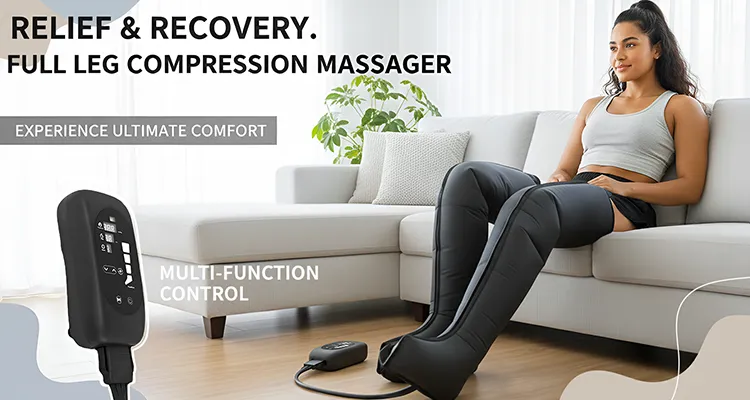
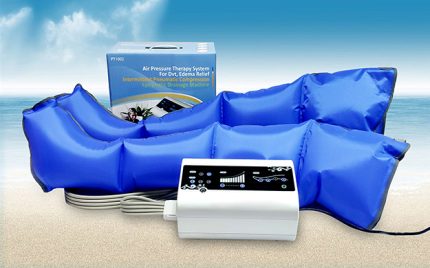
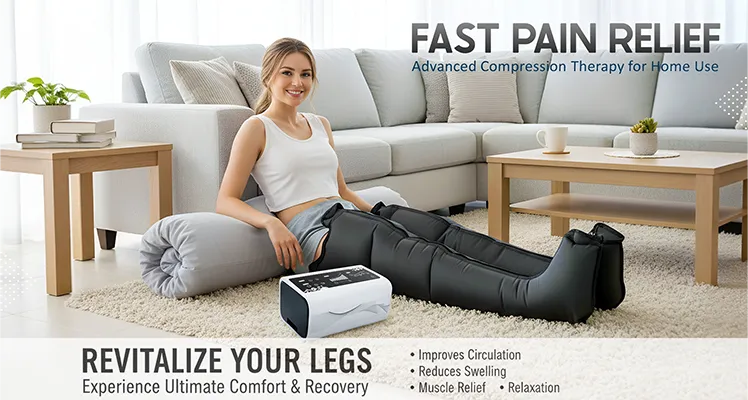
Massagers as used in therapeutic practices provide recovery home privileges as they incorporate hospital-grade therapy through sequential pneumatic compression of the device’s air chambers. This process is adjustable to start at the user’s feet and work through to their thighs.
This mechanism:
-
Mimics the natural muscle pump through the muscle and assists in blood return to the heart.
-
Improves lower-limb circulation, especially during periods of inactivity
-
Reduces swelling and heaviness in the legs for everyday ease and comfort.
-
Supports DVT prevention at home, most importantly after surgery.
Improving comfort and circulation also aids in compliance to home rehabilitation.
Comparison Table: Hospital-Grade vs Consumer Full Leg Massagers
Table: Hospital-Grade vs Consumer Full Leg Massagers
| Feature | Hospital-Grade Device | Consumer Massager |
|---|---|---|
| Intended use | Clinical therapy | Relaxation |
| Compression type | Sequential pneumatic | Vibration / kneading |
| Coverage | Foot + calf + thigh | Partial (calf or foot) |
| Pressure control | Precise & adjustable | Limited |
| Safety protection | Overpressure protection | Minimal |
| Suitable for rehab | Yes | No / Limited |
| Recommended duration | Long-term use | Short sessions only |
This comparison highlights why patients seeking home rehabilitation leg massagers should focus on medical-grade design rather than comfort-oriented features.
What Matters Most When Choosing a Hospital-Grade Device for Home Use?
6.1 Clinical Effectiveness
The device must enable true sequential compression rather than static pressure and include coverage of the entire lower limb venous system, from the foot to the thigh, for complete leg circulation therapy.
6.2 Safety for the Home Environment
For unmonitored or partially monitored use, safety must be assured. These include overpressure defenses, auto shutoff, and home-appropriate designs that do not require constant expert supervision.
6.3 Ease of Use for Patients and Caregivers
Hospital-grade devices should be easily applicable, and there should be no operability hurdles. Easy-to-use controls and seamless garment designs lighten the caregiver workload and ensure the devices are used more consistently.
6.4 Comfort and Compliance
Recruits and retains patients with lower noise, better materials, and devices that can be used daily without adverse events. Comfort restrictions or interruptions lower usage frequencies.
6.5 Durability and Reliability
Rehabilitation therapy from home support often requires weeks or months of consistent use. Devices from hospitals are, for the most part, more effectively designed for unprescribed, frequent, continued use.
Static Compression vs Dynamic Sequential Compression at Home
Static Compression
Static systems use the same level of pressure the entire time. While it is the simplest form of the technology, it can be uncomfortable over long periods, which is one of the reasons it is not often used in conjunction with the body’s physiological patterns of circulation.
Dynamic Sequential Compression
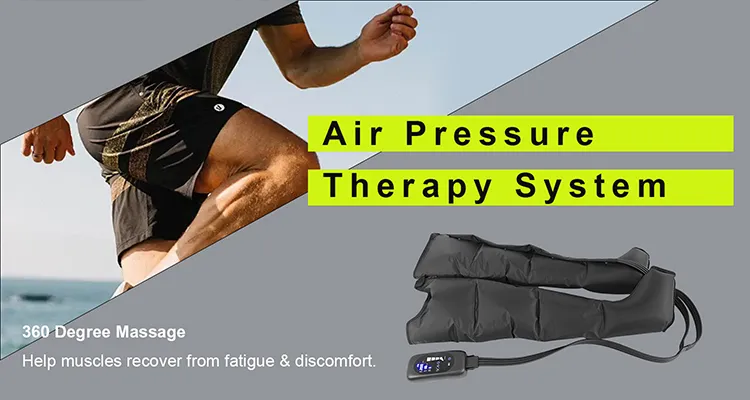
Dynamic systems change the pressure in a sequence, which, in theory, is better aligned with the mechanics of natural bloodflow. This is one of the reasons products found in hospitals and rehabilitation clinics almost exclusively use dynamic compression as it is more suited to rehabilitation.
Typical Home Rehabilitation Scenarios
Hospital-grade full leg massagers are commonly used at home in scenarios such as:
-
Daily circulation therapy sessions during recovery
-
Post-exercise or post-therapy recovery
-
Evening relief of leg swelling and discomfort
-
Long sitting or wheelchair-dependent days
These use cases demonstrate how medical-grade devices integrate into real-world home rehabilitation routines.
FAQ
Q1: Are hospital-grade leg massagers safe for unsupervised home use?
Yes, massagers intended for home rehabilitation are designed to be unsupervised home use.
Q2: How often should they be used during rehabilitation?
This varies based on individual care plans, but they are frequently used daily.
Q3: Can they replace physical therapy or medication?
These devices are intended to be adjunct therapy as it they should be used in conjunction with other prescribed treatments.
Q4: Are they suitable for elderly users?
Yes, especially when pressure settings are adjustable and safety features are included.
Q5: What should caregivers monitor during use?
Skin condition, level of comfort, and any unusual discomfort should be under supervision.
Conclusion: Bringing Hospital-Grade Therapy into Home Rehabilitation
Full leg massagers that meet hospital-grade standard certifications have started bringing circulation therapy home which innovates the therapy and recovery process. Unlike non-hospital devices which create a false efficacy based on comfort , hospital-grade devices focus on patient safety and efficacy.
With appropriate choice the right massager will contain design and and safety features that meet the hospital-grade standard and will ease and accelerate the recovery process of patients on home rehabilitation.