






Whether at the office, home or in a car, seat cushions have become an integral part of our daily existence. However, continued use makes your cushion get dusty, stained and smelly not to mention that it even can gather bacteria on its surface. Cleaning on a regular basis is important in that it prolongs the life of your cushion as well as making it more comfortable and hygienic. This guide discusses how to clean various kinds of seat cushions.
Identify the Cushion Type
It is necessary to know what material your seat cushion is made of before starting cleaning since different materials require different methods. Foam cushions, gel cushions, air cushions, honeycomb cushions and leather cushions are some of the common types available. Every kind has its own cleaning instructions so make sure you read them carefully before doing anything harmful to your cushion.
Basic Cleaning Tools
In order for you to clean your seat cushion effectively, you will need some basic tools for cleaning. Here are some examples:
- Mild detergent or soap: It cleans almost any material.
- Soft cloth or sponge: It helps gently wipe off the surface without scratching.
- Warm water: It rinses out any cleaning residues left after washing.
- Vacuum cleaner (with upholstery attachment): Use this machine to suck up dirt from the surface of a cushion.
- Stain remover: You might need this if there are tough stains on it.
- Disinfectant spray (optional): If there are bad smells or bacteria one may apply that spray.
Optional cleaning tools include baking soda (for odor removal), vinegar (for stain removal), and enzyme cleaners (for organic stains). These tools can help meet different cleaning needs.

Step-by-Step Cleaning Process for Different Cushion Types
Different cushion materials require different cleaning techniques. Here is an elaborate cleaning guide for various seat cushion types:
1. Fabric Cushions
Fabric cushions are typically woven, capturing dust and stains, and thus requiring regular cleaning.
- Vacuuming: Utilize a vacuum machine fitted with upholstery attachments to completely eliminate any dirt and debris from the surface of the cushion.
- Spot Cleaning: In case there are localized stains, apply a mild soap solution. Apply the solution on a soft cloth or sponge then dab gently on the stained part.
- Deep Cleaning: For those with removable covers, manufacturer’s instructions should be followed for machine washing while for those without removable ones, an upholstery cleaner can be used during thorough washing.
- Drying: After cleaning ensure the cushion is placed in well-ventilated areas until it is totally dry to avoid development of moulds.
2. Foam Cushions
Foam cushions offer great comfort and support but they are easily soaked by liquids hence require cautious handling when being cleaned.
- Surface Cleaning: Mild soap solution should be used alongside a damp cloth to clean the foam cushion surface gently as this would help in removing any form of stains apparent on it.
- Deep Cleaning: If possible, remove the foam cushion and soak it in warm soapy water, lightly pressing to release dirt. Thoroughly rinse with clean water.
- Drying: Wring out excess water from the foam cushion and allow to air dry completely before using.
3. Gel Cushions
Many gel cushions have a layer of gel that provides an individualized support. Therefore, special care should be taken to avoid getting them wet.
- Surface Wiping: Using a soft cloth which is dampened with warm water and a mild detergent, wipe gently over the surface of the cushion to remove dirt and stains.
- Avoid Soaking: Do not soak the gel cushions; instead clean its surface.
- Drying: Blot the surface dry with a clean towel to remove excess moisture and allow it to air-dry naturally.
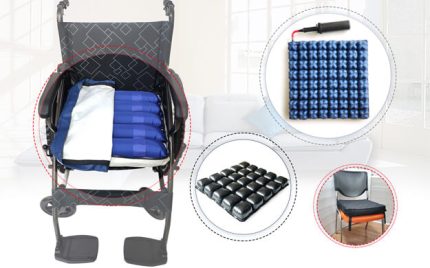
4. Air Cushions
Air cushions rely on being inflated for support, thus care should be taken not to damage air chambers when cleaning.
- Deflate and Clean: Deflate the air cushion first before wiping its surface using mild soap solution and soft cloth until it becomes clean.
- Rinse and Dry: To ensure there are no remains of soap rinse the air cushion with clear water. Allow it to dry completely in an open place before inflating them again for reuse.
5. Leather Cushions
Leather seats are tough but need regular maintenance so as to keep them shiny and textured at all times.
- Dust Removal: Remove dust from leather by wiping gently with a soft, clean cloth.
- Cleaning: Use leather cleaner or mild soap solution on the leather’s surfaces followed by gentle wiping in order remove stains.
- Conditioning: After cleaning, it’s recommended to use a leather conditioner to maintain the leather’s softness and luster.
- Drying: Wipe away any excess cleaner or conditioner and allow the cushion to air dry in a cool, ventilated area, avoiding direct sunlight.
Handling Specific Stains and Odors
Cleaning seat cushions can be challenging when dealing with specific stains and odors. Here are some solutions for common issues:
- Common Stains: For stubborn stains like coffee, ink, or oil, use a specialized stain remover. Apply the remover to the stain, let it sit for a few minutes, and then blot with a damp cloth.
- Odor Removal: If your cushion has odors, sprinkle baking soda on the surface and let it sit for a few hours before vacuuming it off. For stronger odors, vinegar or a dedicated odor remover can be used.
- Disinfection: If disinfection is needed, lightly spray the cushion with a disinfectant and allow it to air dry naturally.

Preventative Care Tips
To keep your seat cushion cleaner and make it last longer, you can follow these measures:
- Regular Maintenance: Vacuum the cushion every week to get rid of dust on top of it and wash stains out as they appear.
- Use a Cover: You might consider using a cover that can be washed for your cushion to avoid regular deep cleaning as well as ease maintenance.
- Rotate and Flip: Periodically rotate or flip the cushion to achieve even tear and extend its service time.
When to Replace a Cushion
However, there is a definite shelf life for all seat cushions regardless of how often they are cleaned and maintained. Here are some indicators that suggest you need a new seat cushion:
- Loss of Shape: If the pillow has lost its original shape or support, then it is time for a replacement.
- Persistent Odor: When one fails to lose smell even after many washing procedures, it may be high time to buy another one.
- Material Damage: In case your pillow shows cracks, cuts or any other malformation marks, it would be advisable to replace them with new ones in order not to compromise on both convenience and hygiene.
As such, cushions enhance our daily comfort hence the importance of their cleanliness and maintenance on good condition. Regular cleaning coupled with proper care also extends the lifespan of cushions while ensuring healthier seating experiences in future which are more comfortable too. By following the steps outlined in this guide, you can easily clean and maintain various types of seat cushions, keeping them in their best condition at all times.