









Postoperative recovery includes transitioning from the hospital to the home environment. While most procedures take place in an operating room, the first couple of weeks at home prove to be the most challenging. Relatives face difficulty in providing appropriate care due to the absence of a medical professional. Instead of implementing preventative measures, care providers often work in a reactive manner.
A well-designed home care plan after surgery helps ensure safe healing, reduce complications, and support emotional stability. This practical post-surgery home care guide explains how to create a structured, proactive plan when caring for a family member after surgery, focusing on risk management—not just comfort.
Step 1: Understand the Procedure and Discharge Instructions
Before leaving the hospital, development of home care can be initiated.
Clarify Medical Instructions Before Discharge
Make sure you clearly understand:
-
Medications, dosages, and timing
-
Balanced activity versus inactivity
-
Educated thorough wound care and the appropriate steps to take
-
Disease specific diet modifications
-
Follow-up appointment dates
It is important to request a detailed written order. Discharge with unclear information is contraindicated.
Identify Red-Flag Symptoms
Knowing what requires urgent medical attention is essential for preventing complications after surgery. Watch for:
-
Fever above the recommended threshold
-
Excessive bleeding or drainage
-
Increasing redness or swelling
-
Shortness of breath
-
Calf pain or swelling
-
Uncontrolled or worsening pain
This step transforms general caregiving into medical risk awareness.
Step 2: Conduct a Home Environment Safety Assessment
A safe physical environment supports recovery and reduces fall risk.
Fall Prevention Adjustments
- Getting rid of loose rugs and other clutter
- Ensuring rooms are well lit (especially at night)
- Possibly needed grab-bars in the bathroom
- Everything that will be used frequently after the surgery should be placed in unobstructed access.
After some surgical procedures, patients will have limited mobility which increases the chances of falling.
Sleeping and Rest Setup
-
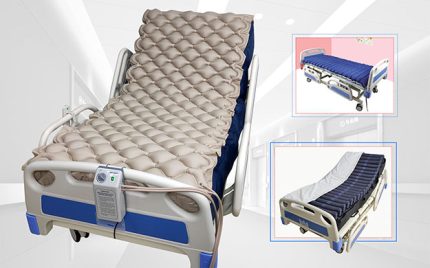
Use a supportive mattress or adjustable bed if necessary
-
Ensure easy access to the bathroom
-
Keep essentials nearby (water, medications, phone)
The goal is to reduce unnecessary strain during early recovery.

Step 3: Develop a Structured Daily Routine
Having a solidified structure in recovery will aid in everything from missed medications to the overall continuity of care.
Medication Management After Surgery
Proper medication tracking reduces risk.
-
Create a written medication schedule
-
Use a pill organizer
-
Track side effects
-
Set alarms if necessary
Good medication management after surgery prevents dosing errors and complications.
Wound Care at Home
Follow strict hygiene practices:
-
Wash hands before dressing changes
-
Follow physician instructions for cleaning
-
Monitor for signs of infection
-
Document changes in wound appearance
Wound monitoring is part of medical risk management—not optional care.
Mobility Support After Surgery
Movement supports circulation and healing, but overexertion can cause setbacks.
-
Follow physician-approved movement guidelines
-
Encourage short, supervised walks
-
Avoid heavy lifting
-
Gradually increase activity
Balance is key—neither complete inactivity nor excessive movement is safe.
Step 4: Plan Nutrition and Hydration
Recovery depends heavily on nutrition.
-
Provide high-protein meals
-
Encourage adequate fluid intake
-
Include fiber (especially if taking opioid pain medication)
-
Monitor appetite and weight changes
Poor nutrition delays wound healing and increases complication risk.
Step 5: Focus on Complication Prevention
Complication prevention must be systematic.
Infection Prevention
-
Maintain wound cleanliness
-
Monitor temperature daily
-
Watch for increasing redness or drainage
Blood Clot Prevention
Limited mobility increases clot risk.
-
Encourage gentle leg movement
-
Use compression stockings if prescribed
-
Recognize signs of deep vein thrombosis (DVT), such as calf pain or swelling
Pressure Injury Prevention (If Mobility Is Limited)
If your family member is spending prolonged time in bed:
-
Implement a repositioning schedule
-
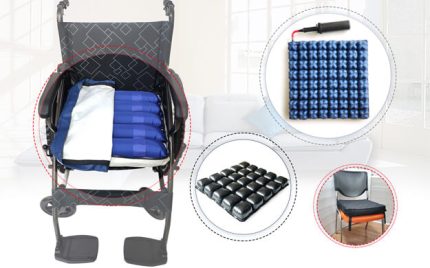
Use supportive surfaces if necessary
-
Check skin integrity daily
This aspect of post-operative care at home is often overlooked but critical.
Step 6: Provide Emotional and Psychological Support
Recovery is not only physical.
-
Expect mood fluctuations
-
Encourage independence when safe
-
Avoid overprotection
-
Maintain social contact
Emotional stability supports physical healing.
Recovery Timeline Table
Post-Surgery Home Care Plan by Recovery Phase
| Recovery Phase | Care Focus | Monitoring Priority | Caregiver Actions |
|---|---|---|---|
| Days 1–3 | Pain control, wound care | Bleeding, fever | Strict medication timing, limited mobility |
| Week 1 | Gradual mobility | Swelling, infection signs | Supervised walking, daily wound checks |
| Weeks 2–4 | Strength rebuilding | Fatigue, nutrition | Increase activity slowly, attend follow-up visits |
| After 1 Month | Functional recovery | Persistent symptoms | Encourage independence, monitor long-term recovery |
This table aligns recovery stage with structured caregiving priorities.
Coordination With Healthcare Providers
A strong home care plan after surgery includes professional coordination.
-
Schedule and attend follow-up visits
-
Keep written recovery notes
-
Report unusual symptoms promptly
-
Consider home nursing services if needed
Do not wait for small concerns to escalate.
General Comfort Care vs Medical Risk Management
It is important to distinguish between:
General Comfort Care
-
Providing meals
-
Offering companionship
-
Assisting with daily tasks
Medical Risk Management
-
Monitoring for infection
-
Tracking medications
-
Identifying early warning signs
-
Preventing blood clots
A structured recovery plan addresses both—but prioritizes safety.
Common Mistakes Families Make
-
Ignoring subtle warning signs
-
Allowing too much activity too soon
-
Poor medication tracking
-
Underestimating fatigue
-
Lack of daily structure
Improvised care often leads to preventable complications.
FAQ
How long does recovery usually take at home?
Recovery time depends on the type of procedure, age, and general health. Some minor procedures may take weeks, but most major surgeries will take months.
When should I call the doctor?
You should call if you experience fever, uncontrolled pain, increasing redness, swelling, shortness of breath and other strange symptoms.
Is it normal for pain to increase after discharge?
Some fluctuation of pain is expected, but if pain gets worse then you should contact the doctor.
How much movement is safe?
You should follow specific and detailed instructions that the surgeon has recommended. It is normal to gradually increase activity outside of the guidelines.
Should I hire professional home care support?
Professional help can help reduce risk when mobility is limited, medication management is complicated, or if caregivers are overwhelmed.
Conclusion
When a surgery is done, it is important to put into consideration the establishment of a comprehensive post-operative care plan for the patient to ensure recovery is done safely. In order for post-operative care to be effective, there needs to be a great deal of planning to ensure direct and detailed adherence to the medical aspect of it, the daily living activities in a way that complications can be minimized and the patient is provided the emotional aspect of it.
Improvisation in post-operative care is not an option. It needs to be systematic, orderly and planned. This is consistent with the goal of the family to manage effectively a clear surgery recovery plan in the home environment which is to reduce complications, promote healing, and to ensure that the recovery journey is safe.