
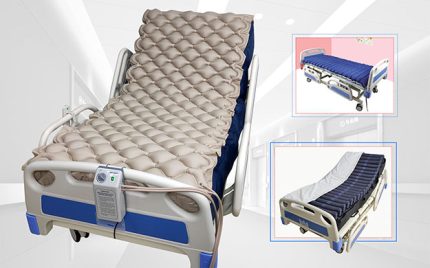
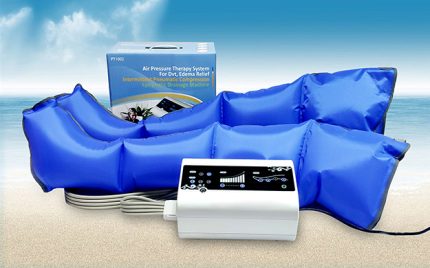
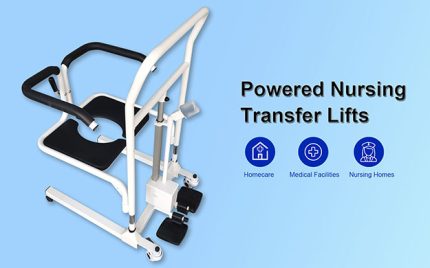
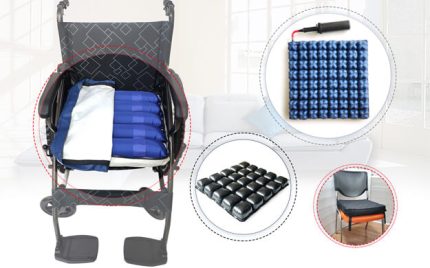

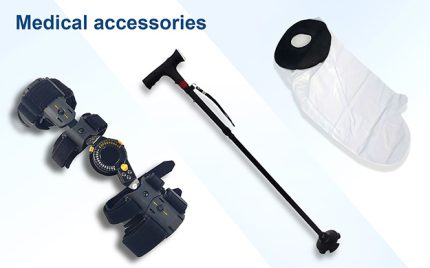




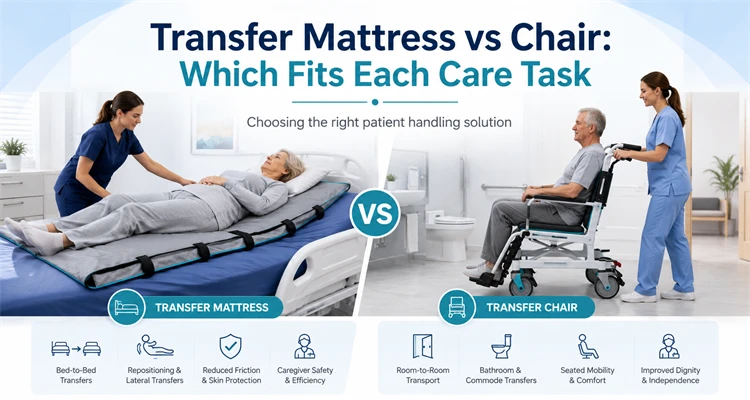
An air-assisted transfer mattress and a patient transfer chair serve different transfer functions. An air-assisted transfer mattress facilitates bed to bed lateral transfers. A patient transfer chair is used to support limited movements from and to various surfaces such as a bed, wheelchair, a toilet, and a shower within the confines of a room. The different body postures and movement vectors define which of the two products should be used.
1. Why These Two Products Are Not Direct Substitutes
Although both products can assist with patient movement, they are designed to perform different functions. One example is to move a patient laterally from a bed to a stretcher. This involves a transfer and a lateral move for the patient. Another example is the transfer from a bed to a sitting support device. This movement not only changes the patient’s position, but also the patient’s destination. The care of a patient may involve transfer to the toilet or to the shower.
An air assisted transfer mattress has an air layer interface in contact with the transfer surface to reduce friction during lateral air assisted transfer. An air assisted transfer mattress is not designed to be a chair for transporting a patient in a seated position.
Patient transfer chairs help transfer patients by supporting patients in the seated position. Based on the design, they may open up and around the patient, permit adjustments in height, roll on casters, and facilitate toiling or the showering process. Patient transfer chairs do not assist in transferring patients lying down from one mattress to the next.
2. Air-Assisted Transfer Mattress vs Patient Transfer Chair at a Glance
The most useful comparison starts with the task rather than the product name. The main decision points are illustrated in the table below.
| Decision Factor | Матрас для переноса с воздушной поддержкой | Кресло для переноса пациента |
|---|---|---|
| Movement direction | Horizontal or lateral across nearby surfaces | Seated transfer followed by raising, lowering, or rolling |
| Body position | Lying down throughout the transfer | Seated with appropriate trunk and body support |
| Typical route | Bed to stretcher, trolley, imaging table, or another bed | Bed to wheelchair, toilet, shower area, or nearby room |
| Space requirement | Room beside both horizontal surfaces and for caregivers | Clearance under furniture plus turning and doorway space |
| Caregiver coordination | Coordinated guidance across aligned surfaces | Positioning, locking, lifting, lowering, and controlled rolling |
| Power source | Usually a compatible air supply or blower | Manual, hydraulic, or powered lift mechanism depending on model |
| Cleaning focus | Transfer surface, underside, seams, handles, hose, and air unit | Seat, opening, arm structure, frame, casters, locks, and controls |
3. Choose an Air-Assisted Transfer Mattress for Lateral Transfers
An air-assisted transfer mattress is used to move a patient between two parallel surfaces while keeping the patient in a supine (or on their side) position. It can be used for bed to stretcher, bed to trolley, bed to imaging table, or bed to bed transfer. The surfaces need to be parallel and in position before inflation.
An air-assisted transfer mattress can reduce the pulling force that is normally needed to move the patient across the gap, by creating an air-supported low friction surface. Caregivers still align, position, and move the patient, and caregivers control tubing, lines, and the surface that the patient is transferred to.
Lateral Transfer Setup Checks
- Confirm that the mattress size and rated load match the person and task.
- Position the destination surface close to the starting surface and set the approved height relationship.
- Lock both beds, stretchers, or trolleys before movement begins.
- Arrange enough working space for the assigned caregivers on the required sides.
- Secure or manage clinical lines, drainage bags, and monitoring cables.
- Check the air hose, blower connection, handles, seams, and underside before use.
The device is most useful when the person should remain supine or when sitting up would complicate the transfer. It does not solve the next stage if the destination is a toilet, shower seat, or wheelchair. That stage requires another assessed method.
4. Choose a Patient Transfer Chair for Seated Transfers
A patient transfer chair fits care pathways in which the person can be positioned and supported safely in sitting. It may bridge the movement from bed to wheelchair, commode, toilet, shower area, or another nearby location without repeating several separate manual handling steps.
The chair should match bed height, wheelchair or toilet approach, seat width, rated load, foot support, and the person’s trunk control. The base must fit around or under the furniture used in the transfer. Casters and brakes should remain reachable at the points where the chair is opened, closed, raised, and lowered.
Seated Transfer Setup Checks
- Confirm that seated transfer is included in the current handling plan.
- Check the person’s ability to maintain the posture required by the chair.
- Measure clearance at the bed, wheelchair, toilet, shower entrance, and doorway.
- Confirm the seat-locking sequence and all safety attachments.
- Inspect casters, wheel locks, lift controls, battery or hydraulic operation, and emergency lowering where provided.
- Plan the route and prepare the destination before the person is raised.
5. Match the Product to Common Care Scenarios
Bed to Stretcher or Trolley
An air-assisted transfer mattress is most likely the best solution for this transfer scenario. Also, with the mattress, the patient remains in a horizontal position which is important while they are transported to the stretcher or trolley. A chair would not be helpful to assist in lateral sliding.
Bed to Wheelchair
A transfer chair fits when there is enough room and the user is able to get themselves into the proper position. An air-assisted mattress can move a person to another horizontal surface, but cannot put the person into the proper position for seating in a wheelchair.
Bed to Toilet or Commode
A transfer chair with access adapted to the direction of travel can perform the transfer on the short route to the toileting area. The design of the transfer chair should account for the issues of clothing management, privacy, seat opening, braking, positioning, and cleaning. An air-assisted mattress is not a transport device for toileting.
Bed to Shower Area
A transfer chair with wet-area use may support the transfer on the short route to the shower area. The design of the transfer chair should account for material, drainage, casters and braking systems, support for feet and legs, and thrust cleaning. An air-assisted mattress may assist in a lateral transfer in a wet-area, although it cannot replace a wet-area transfer chair.
Repositioning or Moving Higher in Bed
Some air-assisted systems may facilitate certain tasks of bed repositioning, based on their design and instructions. A transfer chair does not aid this function, and the user would have to be brought to a sitting position.
Short Movement Between Nearby Rooms
A кресло для переноса пациента for care facilities may be appropriate when the route is level, clear, and within the chair’s intended use. Check doorway width, turning radius, thresholds, floor condition, slope, and the need for an escort. An air-assisted transfer mattress is not intended to roll a person along a corridor.
6. Space Requirements Can Decide the Choice
An air-assisted lateral transfer requires two horizontal surfaces allow for adequate overlap or bridging, space for an air hose and room for caregivers to coordinate from planned positions, and clearance throughout. A lack of space including the fixed position of furniture, cables and a lack of maneuverability of bed spaces creates obstructions that might limit the transfer.
Space requirements for a transfer chair are different and include ensuring that the base of the transfer chair approaches the bed and/or destination furniture, clearance for opening and closing the chair, and room to turn the chair. Assessment of the transfer chair should include measuring the clearance of a cubicle toilet and the shower with all equipment, including doors, in their usual locations.
A product that fits the resident’s weight may fail the workflow if it cannot enter the room and/or become aligned with the bed. Sample trials should, therefore, include the more high needs and congested care areas, as opposed to only an open demonstration space.
7. Determine Caregiver Numbers from the Full Task
Caregiver numbers should be based on the individual assessment, the person’s ability to participate, the environment, the device instructions and the facility procedures. The number may change based upon the person being heavier, non-cooperative, having attached lines, or if the transfer is being completed in a restricted area.
For an air-assisted transfer, staff positions need to be coordinated to manage the person, receiving surface, hose and lines. For a transfer chair the workflow may divide responsibility between resident support, chair operations, locks, route control, and destination set up.
This written plan should identify roles to avoid listing numbers. Specific roles will reduce duplicating effort, encourage people to avoid assuming a critical task will get completed by someone else, and encourage accountability.
8. Compare Cleaning and Maintenance Workloads
Air assisted transfer equipment typically requires cleaning of the transfer surface, handles, seams, underside, hose, and air unit. Check whether the mattress is reusable or single-patient use, which disinfectants are permitted, how to remove moisture, and how the unit is stored to avoid damage to folds and air channels.
Transfer chairs require attention to the seat sections, commode opening, arm structure, frame joints, lift mechanism, control position and foot rest, casters, and locks. Drainage, corrosion resistance, and drying are all important where these units are used in wet areas. Inspect moving parts in particular around wet areas for cleanliness.
| Maintenance Point | Transfer Mattress Check | Transfer Chair Check |
|---|---|---|
| Before use | Surface, seams, handles, hose, blower, and cleanliness | Seat, locks, frame, casters, brakes, lift, and battery |
| After use | Clean and dry all contacted surfaces and hose exterior | Clean seat opening, frame contact points, foot support, and wheels |
| Хранение | Protect folds, hose, and air unit; keep the set together | Park with brakes as directed and maintain charging access |
| Periodic review | Airflow, inflation behavior, material wear, and labeling | Lift performance, fasteners, corrosion, caster wear, and labels |
| Backup plan | Alternative lateral-transfer aid and available air unit | Alternative transfer method and charged replacement equipment |
9. When a Care Pathway Needs Both Products
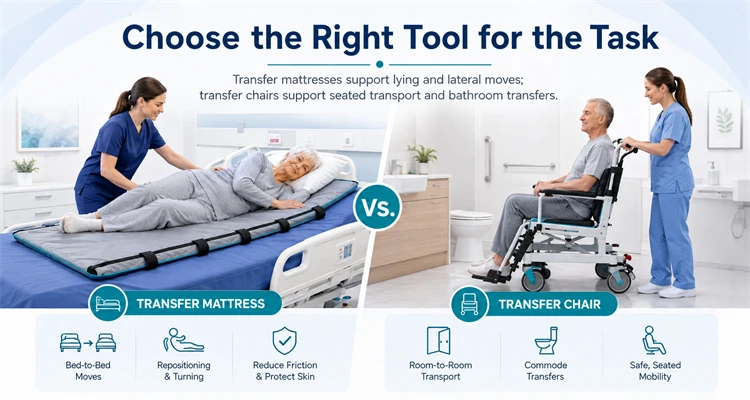
Both products can be found in the same care pathway, as they cover different steps. For example, a patient using an air-assisted mattress for a lateral bed to trolley transfer may require a separate transfer to a wheelchair or to the toilet. Trying to develop a single device to cover multiple stages is excessive.
Air-assisted mattress systems can be used to assist lateral transferring and transfer chairs can assist in bed-to-toilet or bed-to-shower transferring. A system-level equipment plan can assist in determining which devices will best serve the needs of transferring patients both laterally and vertically.
10. Common Selection Mistakes
- Choosing by resident weight alone without identifying movement direction and body position.
- Expecting an air-assisted mattress to replace seated transport to a toilet or shower.
- Expecting a transfer chair to perform a bed-to-stretcher lateral transfer.
- Setting a fixed caregiver number without assessing the person, route, lines, and device instructions.
- Testing equipment in an open room but not in the smallest bathroom or bedroom.
- Comparing purchase price without including cleaning, storage, charging, inspection, and replacement parts.
Заключение
The main difference between an air-assisted transfer mattress and a patient transfer chair is geometry of the transfer. The mattress provides a means of lateral support for a horizontal transfer. The chair is able to support selected seated transfers and movements to a short distance such as to a wheelchair, to the toilet, or to the shower.
Neither is able to fully replace the other. The best option is the user’s preferred position, the surfaces at the start and end of the transfer, the room layout, the caregiver(s), and the cleaning process. It is essential to test the complete process in the actual care space to determine the best equipment combination.
ЧАСТО ЗАДАВАЕМЫЕ ВОПРОСЫ
The Main Use of an Air-Assisted Transfer Mattress
Its main role is lateral movement between nearby horizontal surfaces while the person remains lying down, such as bed-to-stretcher or bed-to-bed transfer.
The Main Use of a Patient Transfer Chair
It supports selected seated transfers and short indoor movement between a bed, wheelchair, toilet, shower area, or another compatible destination.
Whether an Air-Assisted Mattress Can Move a Person to a Wheelchair
It can assist movement to another horizontal surface, but it does not provide the seated support or rolling function needed to complete wheelchair placement.
Whether a Transfer Chair Can Be Used for Showering
Only a chair designed for the intended wet-area task should be considered. Check materials, drainage, brakes, casters, foot support, cleaning instructions, and room access.
How to Decide Whether Both Products Are Needed
Map the facility’s frequent transfers. If care includes both horizontal bed-to-stretcher movement and seated bed-to-toilet, shower, or wheelchair movement, the two products may serve complementary roles.