





Understanding Pressure Sores (Bedsores)
Definition and Causes of Pressure Sores:
Bedsores, also referred to as pressure sores, constitute a localized injury to the epidermis and the underlying tissues as a result of continuous pressure over the particular area that obstructs blood flow. Such sores are prone to develop on areas of the human body that generally touches the surface of the bed for example the sacrum, the hips, shoulders, heels and elbows. When a person does not change his posture for a long duration, these areas develop persistent pressure which restricts blood flow to the tissues and eventually leads to tissue necrosis.
Risk Factors for Pressure Sores:
Prolonged Bed Rest: Staying in a certain body posture for too long makes it possible for one or more parts of the body to be pressed against some surface for accumulation of pressure.
Poor Circulation: Deprived blood flow results in the skin, and tissues breathing more oxygen than usual, which in turn causes damage to tissues.
Age or Limited Mobility: The aged and the physically challenged tend to suffer more from pressure sores due to the tender nature of their skin and limited body movement.
What is an Anti-Decubitus Mattress?
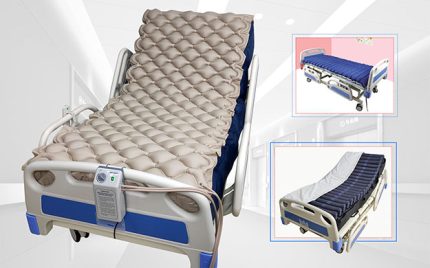
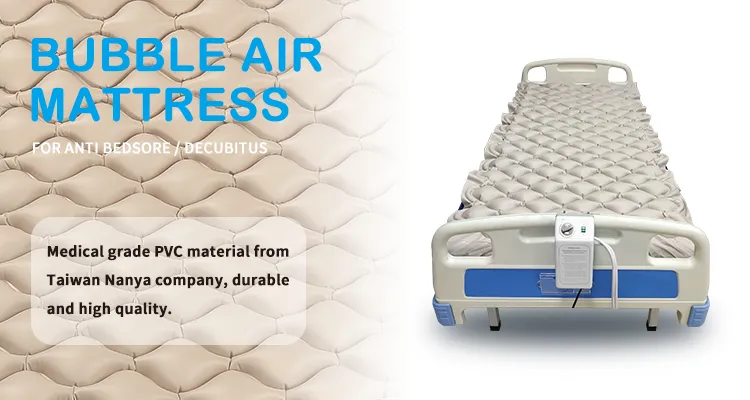
The anti-decubitus mattress is intended to reposition different parts of the body for the prevention of the development of pressure sore – a clinical appliance, which helps to relieve pressure from any section of the body. By contrast to commonplace mattresses, anti-decubitus mattresses are designed to periodically unload separate body’s parts aimed at the prevention of pressure buildup in the course of prolonged immobilization.
Main Functions:
Redistributes Pressure: The mattress can periodically change the support points, reducing the buildup of pressure in specific areas of the body.
Relieves Pressure Points: By alternating between applying and releasing pressure, it effectively relieves pressure on high-risk areas such as the hips and tailbone.
Types of Anti-Decubitus Mattresses
According to the mechanism and the patients’ requirements, decubitus prone mattresses can be further classified as follows.
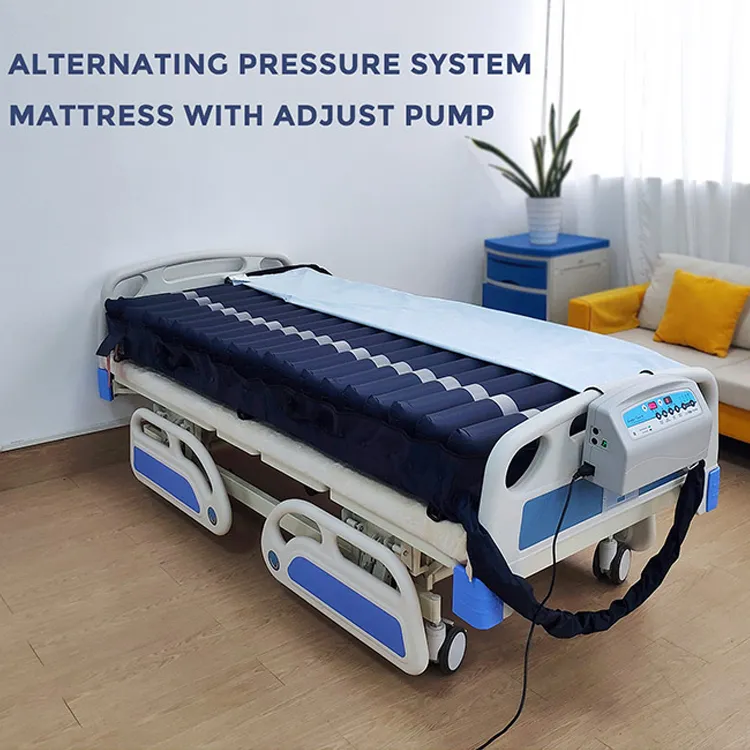
Alternating pressure: In this design, a cycle of inflation and deflation of air cells takes place, which is intended to relieve the pressure from any one part of the body. The process works whereby when one air cell gets filled with air, the other gets released making the pressure move to various parts of the body. This methodology prevents localized pressure effects since blood flow cannot be obstructed by focusing pressure on one area for too long.
Static air: There is the use of static air mattresses that do not require an alternating pressure system and eliminate the use of pressure around the body. They are intended for bedsore patients as well but not where patients are bedridden for a long duration since good but low pillows help in head support.
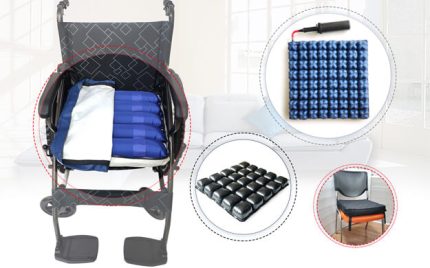
Foam: Specialized foams insert in them to envelop body parts that improve stepping weight distribution and thus lead to no high pressures experienced. This type of mattress is useful to those clients who do not require a lot of pressure off but do not do well with the enhancement of complex situations.
Hybrid: Hybrid types of mattresses have two or more types of technology used in the manufacturing process aimed at achieving better pressure relieving effects than what are achievable with a single mattress. They merge the features of foam mattresses and the advantage of alternating air mattresses: no intense pressure is applied but rather dynamic pressure relief for those very sick patients.
Key Features of Anti-Decubitus Mattresses
Anti-decubitus mattresses are supplied with various unique constructions and technologies in order to prevent as well as relieve pressure sores and at the same time make the patient comfortable. Below are some key features:
Pressure Relief and Redistribution: Anti-decubitus mattresses utilize air cells or foam structures which help to relieve pressure by redistribution of the load hence avoiding overlying pressure on any specific area of the body for a longer period of time, this, in turn, helps to avert the development of pressure sores.
Material Selection: Most of these anti-decubitus mattresses contain plastics such as PVC or TPU or high density foam of medical grade which serves it most useful purpose of being durable but also has waterproof, anti-friction and hypoallergenic properties. This helps because none of that prolonged contact will hurt the skin of patients.
Adjustable Settings: There are also those types of mattresses that allow change of the pressure applied on it and thus the caregivers can adjust the mattress to the required preferences of all fast or well-built or even small weight patients and their degree of comfort. Every patient will thus be given the best and sufficient support and comfort, a situation which is crucial mostly for overweight patients and other patients who are in need of special care.
Durability and Waterproof Design: The central features in the anti-decubitus mattresses being exterior get cushion sometimes use rough, thin and high density interfering waterproof material which is easily cleaned hence prolonging the useful life of the mattress. This is essential for patients requiring long-term care, ensuring the mattress can be reused and remains hygienic.
How Do Anti-Decubitus Mattresses Work?
The core principle behind anti-decubitus mattresses is the use of alternating pressure technology, which continually changes the contact area between the body and the mattress, distributing pressure and promoting blood circulation.
Alternating Pressure System: These mattresses typically have two or more zones of air cells. By alternating between inflation and deflation, the mattress shifts the support between different parts of the body. For instance, when air cell A inflates, air cell B deflates, and this pattern changes over time, ensuring that blood flow is maintained in all areas of the body. This dynamic pressure distribution helps prevent pressure sores caused by prolonged pressure in one spot.
Promotes Blood Circulation: By changing the pressure points, anti-decubitus mattresses promote local blood circulation while keeping the patient comfortable. This is crucial for patients with limited mobility since long periods of immobility can cause blood to pool and tissue damage, which the mattress helps to alleviate.
Reduces Friction and Shear: Anti-decubitus mattresses not only relieve pressure but also reduce friction and shear forces that can damage the skin. Traditional mattresses may cause friction when a patient moves or turns, leading to skin injury. Anti-decubitus mattresses, with their gentle support and pressure relief, minimize this risk.
Benefits of Using an Anti-Decubitus Mattress
Anti-decubitus mattresses offer numerous practical benefits for patients who are bedridden for long periods, particularly in preventing and treating pressure sores.
Prevents Pressure Sores: The design of anti-decubitus mattresses allows for dynamic pressure distribution, preventing the buildup of pressure that causes sores. This is critical for patients who cannot move independently or are bedridden for extended periods.
Provides Comfort: With their soft materials and adjustable support, anti-decubitus mattresses provide superior comfort, helping patients feel less discomfort during extended bed rest.
Promotes Healing: For patients already suffering from pressure sores, anti-decubitus mattresses not only relieve pain but also promote wound healing by improving blood circulation to the affected areas.
Enhances Quality of Life: Whether used in home care or hospital settings, anti-decubitus mattresses improve patients’ quality of life by reducing the need for frequent repositioning by caregivers and providing a safer, more comfortable sleeping environment.
An anti-decubitus mattress is a crucial piece of equipment designed for bedridden patients, effectively preventing and treating pressure sores while providing comfortable support. With its alternating pressure system, high-quality materials, and quiet design, an anti-decubitus mattress not only enhances patient comfort but also reduces the risk of skin damage and promotes healing.