




Why Wheelchair Users Are at Higher Risk for Pressure Sores
Pressure sores—also known as pressure ulcers or bedsores—are a common and serious issue among individuals who spend extended periods in wheelchairs. These sores develop when continuous pressure restricts blood flow to the skin and underlying tissue, particularly around bony prominences like the tailbone, hips, or thighs.
Wheelchair users are particularly vulnerable due to:
-
Prolonged sitting that limits blood circulation.
-
Lack of movement, which reduces pressure relief.
-
Persistent pressure on limited contact points.
-
Moisture buildup from sweat or incontinence, which compromises skin integrity.
Proper seating support is one of the most effective preventive measures. That’s where a wheelchair cushion for pressure ulcer prevention comes in.
The Core Functions of a Pressure Relief Cushion for Wheelchairs
A well-designed anti-bedsore wheelchair cushion serves several important purposes:
1. Pressure Redistribution
By dispersing the user’s weight over a larger surface area, cushions help reduce pressure on specific contact points like the coccyx and ischial tuberosities, thus lowering the risk of tissue breakdown.
2. Stable Support for Proper Sitting Posture
Maintaining proper alignment reduces shear forces and helps prevent sliding—both key contributors to skin damage.
3. Improved Breathability and Moisture Management
Certain cushions promote airflow, which helps keep the skin dry and cool. This is vital in preventing maceration (skin breakdown due to moisture).
4. Shock Absorption and Micro-Movement Protection
Cushions that absorb vibration and micro-shifts (common during wheelchair movement) can reduce friction and shear, further protecting the skin.

Comparing Common Types of Anti-Pressure Sore Wheelchair Cushions
| Cushion Type | Key Features | Best For |
|---|---|---|
| Gel Cushions | Soft, cooling effect, good for temperature regulation, heavier | Short to moderate use, medium pressure relief needs |
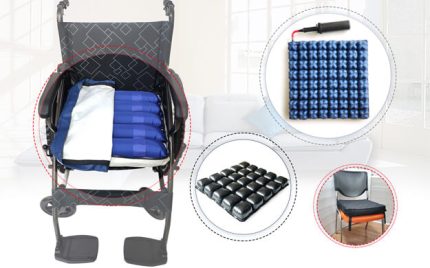
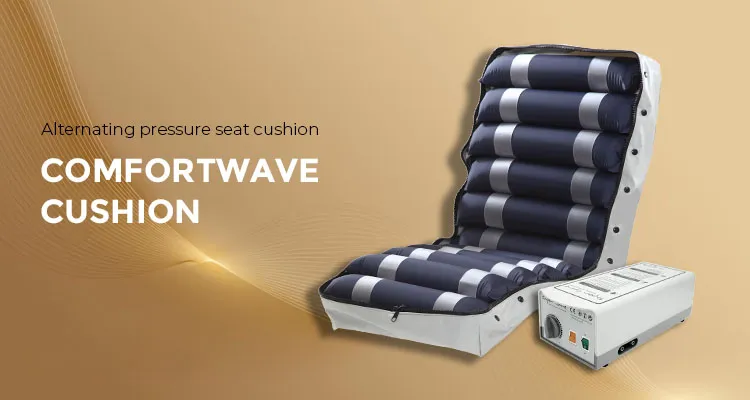
| Air Cushions | Adjustable air cells, dynamic pressure relief (e.g., A/B alternating) | High-risk patients, long-term wheelchair users |
| Memory Foam Cushions | Contours to body shape, absorbs shock, lightweight | Moderate risk users, those needing comfort + support |
| Honeycomb/High-Elastic Silicone | Excellent airflow, durable and flexible | Humid climates, users prone to sweating |
| Hybrid Cushions (Multi-material) | Combines gel, foam, and/or air for balanced comfort and protection | Users needing both support and adaptability |
Pro Tip: Hybrid designs can offer the best of all worlds—combining comfort, stability, breathability, and advanced pressure distribution.
How to Choose the Best Wheelchair Cushion to Prevent Pressure Sores
Choosing the right cushion involves more than picking the softest option. Consider the following:
1. Assess Pressure Ulcer Risk
-
Low Risk: Standard foam or gel cushions may suffice.
-
Moderate Risk: Memory foam or hybrid options recommended.
-
High Risk or History of Pressure Sores: Opt for alternating air cell cushions with medical-grade features.
2. User Weight and Anatomy
Heavy users or those with prominent bony areas may need firmer support with deeper pressure redistribution.
3. Fit and Compatibility
Ensure the cushion matches the wheelchair seat size. Overhanging or undersized cushions can compromise both safety and effectiveness.
4. Ease of Maintenance
Features like removable waterproof covers, antibacterial surfaces, and non-slip bottoms improve hygiene and usability.
5. Certifications and Medical Use
If the cushion is intended for clinical or long-term use, check for FDA, CE, or medical device certifications to ensure safety and quality standards.

Best Practices When Using a Pressure Relief Wheelchair Cushion
Even the best cushion is only part of a broader care plan:
-
Maintain Correct Sitting Posture: Avoid slumping or leaning. A well-aligned spine reduces pressure on specific points.
-
Routine Skin Checks: Inspect for redness, irritation, or early-stage sores, especially around bony areas.
-
Reposition Frequently: Shift weight every 15–30 minutes, or reposition every 2 hours with caregiver assistance.
-
Check the Cushion Regularly: Ensure there’s no air leakage, bottoming out, or foam deformation.
-
Combine with Other Tools: Use with pressure relief mattresses, backrests, or positioning wedges for a complete care strategy.
Conclusion: Cushions as a Crucial Tool in Pressure Sore Prevention
So, what is the best wheelchair cushion to prevent pressure sores? The answer depends on the user’s health status, risk level, lifestyle, and environment. However, the best cushions:
-
Offer effective pressure redistribution
-
Are clinically designed for long-term use
-
Match the user’s individual body and chair dimensions
-
Are easy to clean and durable
For wheelchair users and caregivers, understanding how to choose the best cushion for sitting long hours in a wheelchair can dramatically reduce the risk of complications and improve daily comfort and mobility.
A pressure relief cushion for wheelchair users is not just a comfort product—it’s an essential piece of health equipment that can improve quality of life, reduce hospitalization, and prevent serious complications.
FAQs
Q1: How often should a wheelchair cushion be replaced?
Depending on material and usage, most cushions last 12–24 months. Air or foam cushions should be replaced sooner if they show signs of wear or pressure bottoming.
Q2: Can a cushion completely prevent pressure ulcers?
No. While cushions significantly reduce the risk, prevention also requires movement, skin care, and routine checks.
Q3: Are air cushions noisy or hard to maintain?
Manual or static air cushions are quiet. Alternating air cushions may produce low noise from pumps but offer superior pressure management for high-risk users.
If you or someone you care for relies on a wheelchair, investing in the right wheelchair cushion for pressure ulcer prevention is one of the most proactive steps you can take toward long-term health and comfort.