






In some cases, individuals may need to relocate – from one position to another for instance. However, this may prove to be quite difficult to accomplish effectively and carry a risk of errors. A hoist is a gadget that offers such help in terms of lifting the patient from the resting position into the sitting position, enabling one to transfer someone from the bed or other flat surfaces to that of a chair. This document will address the issues of side transfers and their use of hoists; the usefulness of hoists, the benefits of using hoists for side transfers to caregivers and those needing assistance.
What is a Hoist?
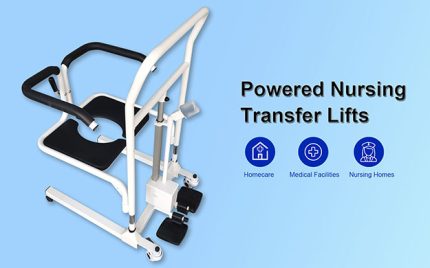
People who are unable to move on their own or find it difficult to do so to are moved from one place to another by using a contraption known as a hoist. It usually includes a sling that is worn by the user, hydraulic or electrically driven apparatus for lifting ones, and supporting frame for the patient during shifting. They are primarily utilized in medical centers, institutionalized care and domiciliary settings for safe manual patient handling such as turning a patient over in bed and assisting them back into a wheelchair and other tools such as toilet seats.
-
Types of hoists include:
- Manual hoists, in which the individual being lifted has a caregiver pump a hydraulic handle to lift that individual.
- Electric hoists, in which a powered lift system picks the individual up when a button is pressed.
- Mobile hoists, which are movable units and shifting from one area to the other for varying transfer requirements.
- Ceiling hoists, which are mounted on overhead tracks and are commonly used in care homes for long-term or repetitive transfers.

Benefits of Using a Hoist for Side Transfers
Safety for the User
A considerable amount of safety of the user is also the reason of a hoist being employed during a side transfer. This is essential because, in the absence of suitable support, the process of shifting an old or a handicapped person from bed to a chair is potentially harmful. Injuries such as slips, falls, and identical mistakes can arise as a result of inadequate lifting. By providing a comfortable support the slings make sure that an accident does not happen while lifting the patient.
-
Key safety features:
- The soft fabric sling encompasses littoral guidance and buttressing of the operational subject ever during the lift.
- Hoists are made from non-skid materials and cannot be slipped from with ease or even from falling.
- Various positions of the hoist are adjustable so as to enable the transfer of the person in such a way that the movement is effectively done.
Reducing Caregiver Strain
There is still some considerable effort that is placed on caregivers by lifting and transferring of patients manually. Lifting people over and over, which is the situation when the person doesn’t help them all a bit, is hazardous for the back, muscles and may cause chronic issues with the care giver’s body. A hoist reduces the amount of lifting and therefore provides a more efficient and safer transfer to the care givers as well.
-
Key benefits for caregivers:
- Reduced physical effort: The hoist does the lifting, so the caregiver only needs to guide the process.
- Improved ergonomics: Electric hoists are particularly beneficial, as they reduce the need for awkward postures or forceful movements.
- Less injury risk: By eliminating manual lifting, hoists help prevent common caregiver injuries like back and shoulder strain.
Efficient and Controlled Movement
Using a hoist provides better control during the transfer process. Instead of relying on manual handling, the hoist enables a slow, deliberate, and smooth transition from one surface to another. This can make the process more comfortable for the user and less stressful for the caregiver.
- Controlled transfer: The hoist allows for gradual lifting and controlled lowering, ensuring that the individual is moved smoothly.
- Adjustable settings: Many hoists come with customizable settings for different heights and body positions, allowing the caregiver to tailor the transfer process to the user’s needs.

When to Use a Hoist for Side Transfers
Individuals with Mobility Challenges
Hoists are primary components for elderly individuals, disabled people, or recovering patients who are not able to walk or stand up straight. By using a hoist, they can be lifted and transferred in a safe and pleasant manner without any tension or discomfort.
For Individuals Who Cannot Stand or Support Themselves
A hoist is also very useful when the recipient is unable to bear weight or stand up to do the transfer. Many people fall into this category due to weakness, injury or disability, and greatly appreciate the full body support of the sling and the william control of the hoist system.
Situations Where Manual Transfer is Unsafe
Where manual transfers are too dangerous or too high risk of injury for a user or caregiver for example if the individual is large and weak or has jerky movements and no control, a hoist is an excellent alternative to a manual approach.
How to Use a Hoist for Side Transfers
Preparing the Equipment
Hoists are not as straightforward to use as one may think. First, it is important to note that a hoist is only safe when all the equipment is set up in the correct manner. Things such as ensuring that the hoist is functioning properly, the sling fitting correctly and ensuring that the areas around the bed and chair do not have any objects are included.
Step-by-Step Procedure
- Place the sling under the user: Gently position the sling beneath the person while they are lying in bed.
- Attach the sling to the hoist: Secure the sling to the hoist’s lifting arm, ensuring all connections are locked in place.
- Lift the user: Slowly lift the person using the hoist controls, making sure they are comfortable and supported as they are raised off the bed.
- Move towards the chair: Carefully maneuver the hoist towards the chair, ensuring a clear path.
- Lower the user into the chair: Gently lower the person into the chair, adjusting their position for comfort.
- Remove the sling: Once securely seated, remove the sling or leave it in place if needed for future transfers.
Common Types of Hoists
Mobile Hoists
These are versatile and can be easily moved between rooms. They are ideal for home care, as they offer flexibility for different transfer needs.
Ceiling Hoists
Mounted on rails, ceiling hoists offer a permanent solution for frequent transfers. They are common in long-term care facilities or homes where space is limited.
Electric Hoists
Electric hoists are powered by batteries or electricity and can be operated with minimal effort. They are particularly useful for caregivers who need to manage frequent or heavy transfers.
Safety Considerations
- Proper Sling Usage: Always use a sling that is the correct size and type for the individual to avoid discomfort or accidents.
- Regular Maintenance: Ensure that the hoist is regularly serviced and maintained to prevent malfunctions.
- Training for Caregivers: Caregivers should be trained on how to use the hoist properly, including how to position the sling and operate the lifting mechanism safely.
Using a hoist for side transfers into a chair provides a safer and more efficient way to move elderly or disabled individuals. With the right equipment and proper usage, hoists can improve both the quality of life for the user and the working conditions for caregivers. Whether in a home setting or a professional care environment, hoists play a crucial role in enhancing mobility and reducing the risk of injury.