
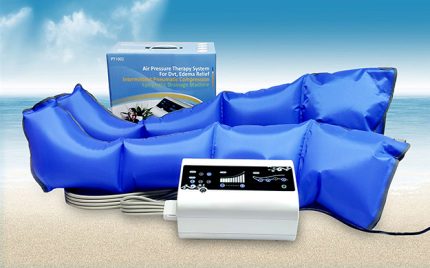




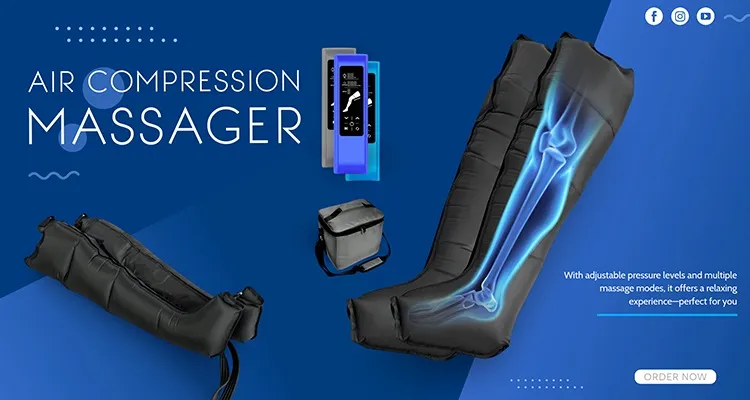
In the past few years, compression boot therapy has gained attention as a recovery tool for sports, undertaken by office-goers, and by individuals looking to alleviate fatigue. They also serve any other purpose when blood circulation is of concern. These boots work via inflating and deflating rhythmically to assist in stimulating venous and lymphatic flow.
Muscle soreness that follows intense exercises, recovery and repair of the body post intense workouts, and reduction of leg swelling are some inverse benefits. Like many other devices, the boots have certain drawbacks and not everyone can benefit from them. Knowing how to use them is important, but knowing when to not use the boots is equally important.
How Do Compression Boots Work?
Compression therapy boots are used to treat and manage leg swelling and increase venous return. They improve leg circulation by providing graduated air pressure along the legs and feet in episodes. The rhythmical inflation and deflation of the air chambers increases blood flow towards the heart.
They are commonly used by:
-
Athletes recovering from strenuous exercise
-
Office workers or long-distance travelers managing leg fatigue and mild swelling
-
Elderly individuals aiming to improve circulation in sedentary lifestyles
Compression therapy can be useful in speeding up recovery in addition to cleaning up the aging society and, when there is no motion and routine an activity, fluid build up which can cause serious circulatory problems.

When Should You Not Use Compression Boots?
Despite their growing popularity, leg compression boots aren’t suitable for everyone. Certain medical conditions or health risks make their use unsafe without medical supervision, and in some cases, they should be avoided entirely.
✳️ Use Only with Medical Guidance
If someone is dealing with chronic medical conditions or recovering post-surgery, they need to seek advice from a healthcare provider prior to undergoing compression boot therapy. Even if a patient appears to be well at the moment, there may be certain latent possibilities which can be aggravating complications down the line.
❌ Contraindications of Leg Compression Boots
Refrain from using the compression boots if you have the following outlined conditions:
-
Deep Vein Thrombosis (DVT) or known blood clotting issues
Compression may dislodge existing clots, posing serious risks like pulmonary embolism. -
Severe Peripheral Arterial Disease (PAD)
Restricting blood flow in already compromised arteries can lead to tissue damage. -
Heart failure or severe cardiac conditions
Increased venous return can burden the heart, especially in patients with reduced cardiac function. -
Open wounds, skin infections, or cellulitis
Compression can exacerbate skin injuries or spread infection. -
Unexplained acute leg swelling
Before using compression, the underlying cause should be identified by a medical professional.
Medical Conditions Requiring Caution
Some individuals may be able to use compression therapy boots with caution and under supervision:
-
People with diabetic neuropathy or foot numbness
Reduced sensation may prevent users from detecting excessive pressure or skin injury. -
Pregnancy (late stages) or early postpartum
Obstetricians should always be consulted since fluid shifts and circulation changes during pregnancy may require tailored strategies. -
Older adults with fragile veins or thin skin
Increased pressure could lead to bruising or capillary damage; gentle alternatives are recommended.

Alternatives to Compression Boots
Those unable to use compression boots still have a variety of methods that are effective in aiding leg recovery circulation.
-
Stretching and gentle movement
Regular leg stretches or short walks help stimulate blood flow naturally. -
Warm foot baths or cold compresses
These can relax muscles and reduce inflammation after long hours of sitting or standing. -
Leg elevation pillows
Raising the legs above heart level promotes venous return and reduces swelling. -
Foam rollers or soft massage tools
Light self-massage can mimic the benefits of compression without the same intensity. -
Physical therapy
For those with medical conditions, customized rehabilitation plans are a safe and effective option.
Optional Chart: Conditions vs. Recommended Use
| Condition | Use Compression Boots? | Recommendation |
|---|---|---|
| Post-exercise fatigue (healthy) | ✅ Yes | 20–30 minutes per session is generally safe |
| DVT history | ❌ No | Risk of dislodging clots—strictly prohibited |
| Diabetic foot/numbness | ⚠ Caution | Only with medical supervision to avoid skin injury |
| Post-surgery | ⚠ Caution | Depends on surgery type—consult your doctor |
| Peripheral arterial disease | ❌ No | May reduce blood flow further—avoid use |
Compression therapy boots should be avoided by certain individuals, but can be useful in aiding recovery and improving circulation. These advanced methods should not replace common sense and proper guidance, regardless of whether you are an athlete, office worker, or someone living with a chronic illness.
Being mindful and informed while using compression therapy will allow you to manage your health conditions effectively while supporting your wellness journey.
