




Introduction: Lower Limb Edema in U.S. Nursing Homes Is Often Underestimated
Due to a lack of attention, lower limb edema continues to be a serious and common issue in elderly residents in nursing homes across the United States. Leg and foot swelling leads to problems with mobility and circulation, become more serious with age, and with long-term care populations circulatory problems are common.
In residents in nursing homes, lower limb edema tends to occur due to a combination of factors including, prolonged bed/rest sitting, chronic conditions and disease, and decreasing return of blood to the heart. For chronic conditions like cardiovascular disease, diabetes, and obesity, the lack of attention to edema can lead to serious downstream issues. These are rarely complete mobility, pain, skin and tissue damage, infections of the skin, damage to the skin from lack of blood and tissue oxygenation, and an increased risk of falling.
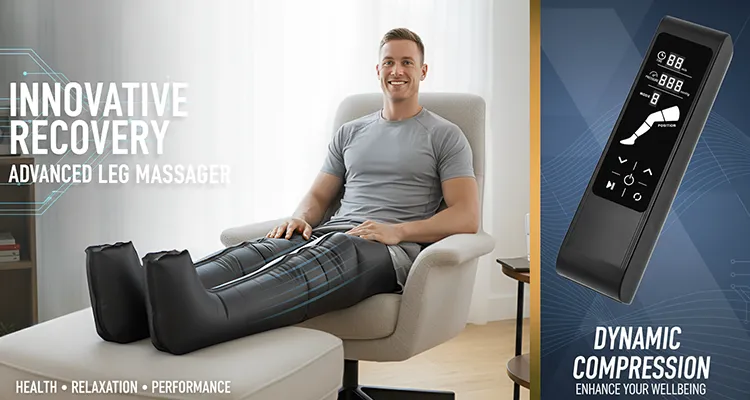
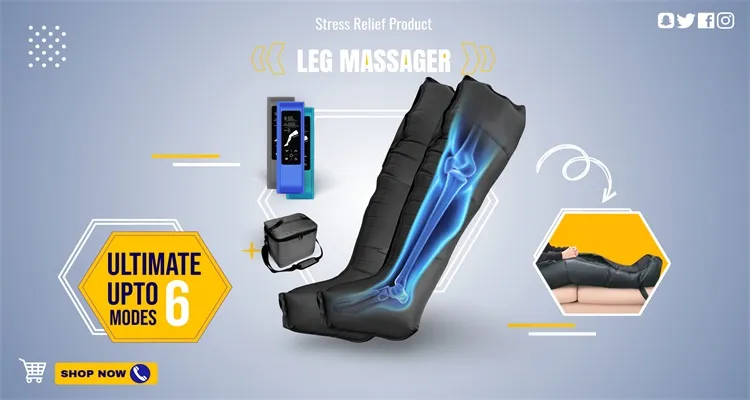
To solve this issue, more nursing homes in the United States are implementing full leg massager devices for pneumatic circulation therapy. These devices are massagers that work on the full leg to help with the circulation of blood and fluids in the legs of elderly residents.
What Causes Lower Limb Edema in Elderly Nursing Home Residents?
In elderly residents of nursing homes, the causes of lower limb edema are seldom due to an individual cause. In nursing homes; however, they are in most cases, a multifactorial condition that requires coordinated management.
Common contributing factors include:
-
Venous insufficiency in the elderly, where weakened valves in the veins make it hard \for blood to return to the heart.
-
Reduced muscle pump activity, especially in residents with limited walking ability
-
Prolonged sitting or wheelchair dependence, which promotes fluid pooling in the lower extremities
-
Post-surgical or post-stroke conditions, often accompanied by reduced mobility
-
Medication-related fluid retention, including certain cardiovascular or anti-inflammatory drugs
In nursing homes it is common for many of these factors to be present together. Because of this, edema management has to be more than just isolation of several factors and has to emphasis on standing to increase circulation.
Why Managing Edema Is a Priority in Nursing Homes
If you work in a long-term health care facility, you will know that lower limb edema is more than just a comfort issue; it has multiple implications that include safety, quality, and overall care costs.
As you know, some of the more problematic consequences of edema include:
-
Mobility decline, making it more difficult to perform transfers and ambulate.
-
Increased fall risk, as the imbalance caused by edema can lead to instability and gaot issues.
-
Skin breakdown and pressure injuries, Excessive swelling can cause the overlying skin to become fragile and overstretched, putting the tissue at a greater risk of developing pressure ulcers.
-
Reduced quality of life, Residents suffer from a heavy, uncomfortable, and painful feeling in the lower limbs.
Nursing homes are often limited in many ways. With many units and few staff, there is often insufficient staff to perform frequent repositioning of residents, elevating legs manually, and providing individualized exercise sessions. This has resulted in portable circulation therapy devices becoming an essential part of edema management in nursing homes.
Common Edema Management Methods in U.S. Nursing Homes
4.1 Leg Elevation
Elevating the legs is one of the most basic and simple techniques to relieve edema, at least for a while. However, in nursing homes, this techniques does have some drawbacks. It is often uncomfortable for many of the elderly residents. In some cases, it can be difficult to maintain adequate elevation over a long period of time.
4.2 Compression Stockings
While compression stockings are prescribed for elderly patients, more often than not, patients do not wear them or are too uncomfortable to wear them, thus making them ineffective for swelling in nursing home patients. Correct sizing, application, and monitoring for skin-irritation are also critical in determining the effectiveness of restorative care for the patients.
4.3 Manual Massage or Exercise
While some might find it laborious to do some form of manual massage or assisted floor exercises, they can improve circulation. There may be understaffing issues involved in trying to ensure that this form of assisted range of motion or circulation psycho-education is done, and in some facilities, this could mean entire rooms of elderly patients not getting the care they require.
4.4 Full Leg Massagers — A Growing Trend in Nursing Homes
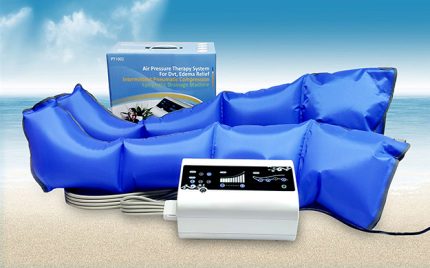
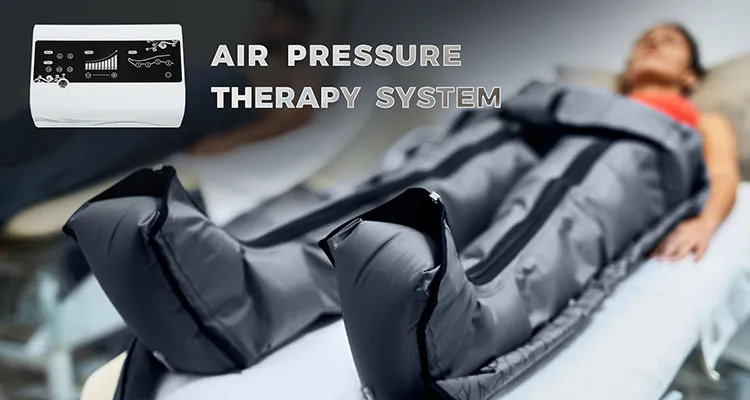
Full leg massagers, also known as pneumatic leg massagers, are increasingly used in U.S. nursing homes as an adjunct circulation therapy. These devices cover the foot, calf, and thigh, providing automated and repeatable compression without adding significant staff workload. Their clinical design makes them suitable for long-term care environments rather than consumer or spa use.
How Full Leg Massagers Help Reduce Lower Limb Edema
Full leg massagers employed in nursing care facilities operate on programmable pneumatic sequential compression. The air chambers sequentially inflate and deflate in a programmed order, working their way up each leg.
This mechanism delivers several therapeutic benefits:
-
Encourages fluid retention in the body to remove and gain balance with the lymphatic and venous outflow.
-
The compression and release of the chambers in a sequenced pattern cause the body to decrease interstitial fluid retention which is a primary cause of edema.
-
Residents can gain tolerance levels and overall comfort as the heaviness and discomfort in their legs is improved.
Full leg massagers are particularly effective for:
-
Wheelchair-bound residents
-
Elderly individuals with limited mobility
-
Post-acute care residents transitioning from hospital to long-term care
As a part of the therapy, devices are circulation therapy on the legs of seniors and offer leg massagers a great deal of therapy due to the passive involvement they require from the resident.
Comparison Table: Edema Management Options in Nursing Homes
Table: Comparison of Lower Limb Edema Management Methods
| Method | Effectiveness | Staff Time Required | Resident Comfort | Suitable for Long-Term Use |
|---|---|---|---|---|
| Leg elevation | Low–Medium | High | Medium | Limited |
| Compression stockings | Medium | Medium | Low–Medium | Medium |
| Manual massage | Medium | Very High | Medium | No |
| Full leg massager | High | Low | High | Yes |
This comparison highlights why full leg massagers are increasingly favored by nursing home administrators seeking scalable and staff-efficient edema management solutions.
Key Factors Nursing Homes Consider When Selecting Full Leg Massagers
7.1 Safety for Elderly Residents
There are many things to consider when remodelling the space in a nursing home. When purchasing devices that are to be used on the elderly it is extremely important to consider your patients. Facilities should look for devices that have adjustable pressure, over a built in protective overpressure system, and one that is designed to be used on frail, elderly, and fragile patients.
7.2 Ease of Use for Staff
There are many things to consider when purchasing a full leg massager. Staff time is extremely important. Staff use and ease of removal, as well as leg massagers that have manual quick setups and that are easy to use are especially in demand at high care demand facilities.
7.3 Comfort and Resident Compliance
There are many ways to make residents be more accepting of the devices. Keeping the leg massagers quiet, having the ventilation be in a cycle to be used to compress air, and for the device to be able to be used for a long period of time all contribute to the residents acceptance of the leg massager. Effective edema management in elderly patients has to do with their acceptance.
7.4 Hygiene and Infection Control
One of the most prioritized pieces of equipment in nursing homes is massagers, as they have to be easy to clean. Nursing home prioritized leg massagers have replaceable leg sleeves, as well as leg massagers that can be easily cleaned, as it can dirty the leg massager.
Typical Use Scenarios in U.S. Nursing Homes
Some of the primary care activities where full leg massagers are used include:
-
Leg swelling relief due to inactivity during the day
-
Daily circulation care of residents in wheelchairs
-
Evening comfort care nursing
-
Therapy supportive treatment during rehab or physical therapy
These varied activities allow full leg massagers to be used in variety of care plans in nursing homes.
FAQ
Q1: Are full leg massagers safe for very elderly residents?
Yes. If the appropriate leg massager is used and appropriate pressure settings are used, it is safe for the majority of very elderly residents.
Q2: How often should they be used for edema management?
It depends on the care plan in place, however, many nursing homes are implementing daily or routine sessions.
Q3: Can they replace compression stockings?
It is more of a replacement in some cases, however, it is a good substitute or complement to stockings especially for residents who do not tolerate stockings well.
Q4: Are they noisy or disruptive in shared rooms?
Clinical massagers are built to operate quietly for shared living spaces.
Q5: How do nursing homes evaluate cost-effectiveness?
Facilities calculate return on investment based on hours of staff time saved, comfort of residents and avoidance of adverse events.
Conclusion: Addressing Lower Limb Edema in Nursing Homes with Full Leg Massagers
Assuming that residents in a nursing home have limited mobility, lower limb edema is one of the most observed yet underestimated issues in nursing homes across the nation, most of which does not receive the necessary attention it deserves since it is often overlooked, negatively impacting the residents’ safety, comfort, and quality of care.
Given the benefits of full leg massagers, establishing nursing homes, as a group, have a nursing home a staff friendly, risk-free, and clinically effective method for dealing with the edema related to bed-bound residents in nursing homes. Massagers improve the blood flow in the lower limbs and reduce edema. Considering safety, massagers can reduce the comfort of residents, improve mobility, and improve the lives of the residents in a nursing home.