








Introduction
Turning patients helps to prevent developing of bed sores and also helps in improving blood circulation as well as preventing muscle atrophy. This article offers a detailed step-by-step guide on how a caregiver can safely and effectively turn a bed ridden patient alone.
Understanding the Importance of Turning Patients
Turning is a key step in caring for bedridden patients. Here are its main benefits:
- Preventing Bedsores: Bedsores are common for the long-term bedridden patients. Regular turning can reduce localized pressure and prevent bedsores.
- Improving Blood Circulation: Turning promotes blood circulation, which aids in maintaining healthy skin and tissues.
- Preventing Muscle Atrophy: Regular physical activity helps prevent muscle atrophy, maintaining the patient’s bodily functions.
Preparing for the Turn
Before turning a patient, make sure to prepare the following:
- Gather Necessary Equipment: Such as the Senyang turning pillow, gloves among other supportive items.
- Ensure Safety: Clear the area around the bed, lock the wheels of the bed and adjust it to a comfortable height to ensure that it is safe during turning.

How to Turn a Patient Step By Step
1. Positioning the Patient
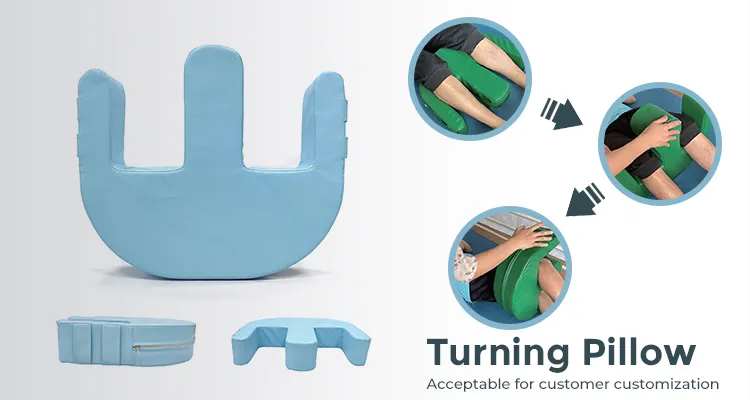
Put the patient’s legs on Senyang turning pillow, see that the legs are kept in a comfortable state.
2. Using the Turning Pillow
- Place the underpatient’s legs rightly on the Senyang turning pillow.
- Hold it down using straps on both sides to avoid slipping off or moving about.
3. Executing the Turn
- With one hand push their back while gently rolling them over to one side by pushing with your other hand. Keep moving in order to avoid sudden movements that might injure or cause discomforts for patients.
- Maintain patient body stability during this process and avoid any abrupt moves that may cause discomfort or harm.
Why Choose Senyang Turn Pillow?
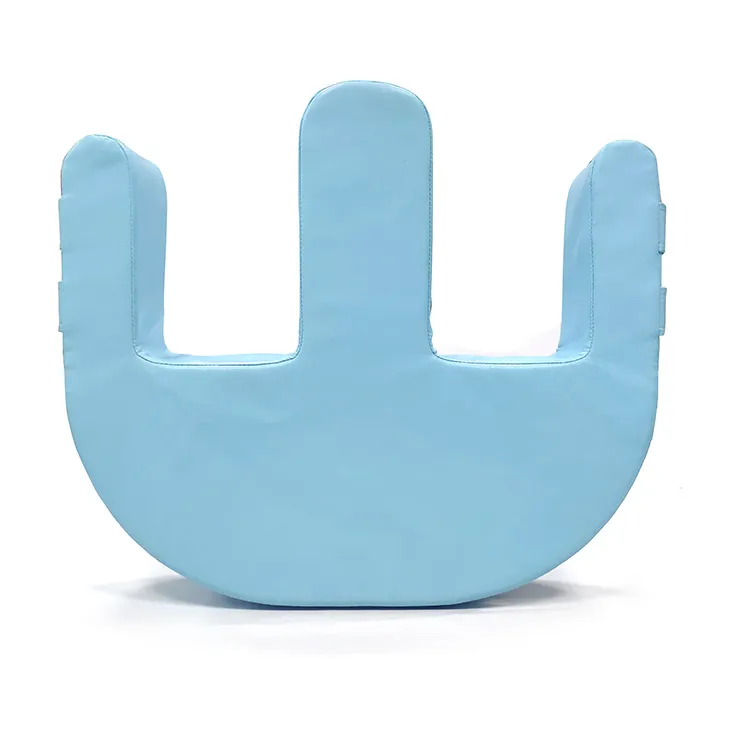
Senyang turning pillow has been designed with an ergonomic U-shape groove for comfortable legs of patient. The thick material made with sponge distributes weight uniformly across avoiding local pressure points thus enhancing patient’s comfort.
Post-Turn Care
- Checking for Comfort: The patient should be comfortable after being turned. Adjust pillows and bedding as needed so they can stay comfortable.
- Monitoring Patient’s Skin: Regularly examine the condition of patients’ skin for presence of bedsores or pressure points. This will enable prompt action when abnormalities are noted.
Maintaining the Turning Pillow
- Cleaning and Care: A damp towel is enough to clean PU leather surface of Senyang turning pillow. Keep it clean for longevity purposes since this helps in its lifespan extension.
- Longevity Tips: Do not expose it under hot temperatures or direct sunshine. Make regular checks on its state of functioning to ascertain high quality performance.
Benefits of using Senyang Turning Pillow
- Ease of Use: The Senyang turning pillow is simple to use, thereby making it very effective in promoting caregiving efficiency.
- Energy Saving: This helps caregivers reduce the physical effort they need to put while working thus reducing their workload.
- Reducing Burden: It also reduces the amount of work involved in the process hence relieving family members and other caregivers who might have limited knowledge or abilities on how best take care of patients.
Conclusion
When a patient needs to be turned alone, there may be various challenges. But by applying the Senyang turning pillow and right ways this task can be made little easier and less dangerous. Caregivers must learn these tactics as they are directly linked with patients’ health and safety. You can call at customer service if you still have any questions or need further assistance by Senyang company any time.
Tips
Frequency of Turning:
To avoid bedsores and other related problems, it is preferable that patients should be changed every two hours.
Professional Help:
In some cases where patient conditions are difficult such as cases of complex individuals, professional healthcare providers should be sought to ensure that the changing process is safe and effective.
This article presents an elaborate approach to turning a patient in bed alone, giving detailed step-by-step guidance for family members providing care. We believe our guide will enable caregivers to give better attention to their patients.