





Unlike regular mattresses, hospital bed mattresses are custom-tailored for medical use so they provide pressure relief, hygiene, and comfort for patients who are bedridden for long periods of time. In this article, we will explain the most popular materials of a hospital bed mattress, how their characteristics may differ, and provide some recommendations to assist you in selecting the best one for your personal and homecare needs.
Why Hospital Mattresses Are Different
Used at home, mattresses do not need to accommodate one’s medical requirements; hospital bed mattresses do. They will need to take care of the following:
-
Pressure ulcer prevention
-
Water resistance and easy cleaning
-
Durability under frequent use
-
Firm and reliable body support
-
Compatibility with adjustable hospital beds
These professional demands are matched by equally specialist materials suitable for the safety of the patient and the convenience of the caregiver.

Common Hospital Mattress Materials and Their Characteristics
Let’s break down the major types of materials used in hospital mattresses and their typical use cases.
1. Foam Mattresses
Types: High-Density Foam, Memory Foam
Used mainly in medical environments, foam mattresses are one of the most popular choices among available options.
-
Advantages:
-
Lightweight and easy to handle
-
Conforms to the body’s shape, reducing pressure points
-
Affordable and widely available
-
-
Disadvantages:
-
Can compress or degrade over time
-
Limited breathability, may trap heat
-
Basic models offer less protection against pressure sores
-
Best for: Short-term care, low-risk patients, rehabilitation centers
2. Gel-Infused Foam Mattresses
Incorporates foam and soothing gel layers to improve comfort and temperature.
-
Advantages:
-
Enhanced pressure relief
-
Cooler sleeping surface—ideal for patients prone to sweating
-
More durable than regular foam
-
-
Disadvantages:
-
Heavier and more expensive
-
May still lack airflow compared to air-based systems
-
Best for: Patients needing better pressure management without powered systems
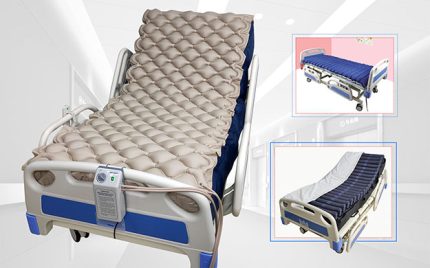
3. Air Mattresses (Alternating Pressure Systems)
Use alternating inflation and deflation events to relieve pressure.
-
Advantages:
-
Superior pressure ulcer prevention
-
Dynamic support, adjusts to patient movement
-
High level of comfort
-
-
Disadvantages:
-
Requires a power source
-
More complex to operate and maintain
-
Higher upfront cost
-
Best for: Long-term bedridden patients, high-risk pressure injury cases
4. Innerspring Mattresses
These use metal coil systems similar to traditional beds.
-
Advantages:
-
Firm support and durability
-
Good for patients who can reposition themselves
-
Lower cost
-
-
Disadvantages:
-
Less pressure relief
-
Can transmit motion or vibration
-
Not waterproof by default
-
Best for: Short-term use, patients with mobility
5. TPU/PU/Nylon-Coated Covers
Core mattress materials do not comprise these, but they are key outer layers for increased durability and hygiene.
-
Materials: TPU-coated nylon, PVC-coated fabrics, PU stretch covers
-
Advantages:
-
Waterproof and antimicrobial
-
Easy to clean and disinfect
-
Flame-retardant and breathable options available
-
-
Disadvantages:
-
May feel slightly stiff
-
Can reduce breathability in some designs
-
Best for: All environments needing strict infection control and fluid protection

Material Comparison Table
| Material Type | Support | Comfort | Waterproof | Pressure Relief | Cost | Requires Power |
|---|---|---|---|---|---|---|
| Foam | Medium | High | Low–Medium | Medium | Low | No |
| Gel-Infused Foam | Medium | High | Medium | Medium–High | Medium–High | No |
| Air Mattress | High | High | High | High | High | Yes |
| Innerspring | High | Medium | Low | Low | Medium | No |
| TPU/PU/Nylon Covers | / | / | Very High | / | / | No |
Tips: How to Choose the Right Hospital Mattress Material
Choosing the mattress material should depend on the patient’s condition, setting, and budget. These practical suggestions are:
-
For long-term bedridden patients:
Choose an alternating pressure air mattress for ulcer prevention. -
For patients with sweating or incontinence risks:
Utilize moisture vapor permeable, waterproof covers on mattresses such as fabrics made from TPU or PU-coated materials. -
For rotating patients in rehabilitation or clinics:
An economical soft foam mattress with a waterproof cover offers a reasonable balance between comfort and cost. -
For home care or short-term recovery:
Foam or innerspring mattresses are supportively priced and offer reasonable value.
Mounting a hospital bed mattress goes beyond just placing a mattress. It requires active consideration of patient care and the recovery process. Understanding the relevant materials and their benefits enables better choices by caregivers and facility administrators towards patient comfort and health.